Influence Of Plein Air Painting Paintings
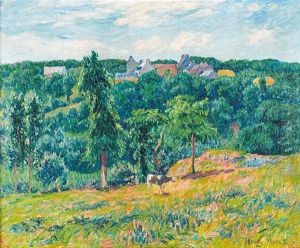
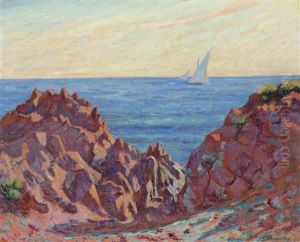
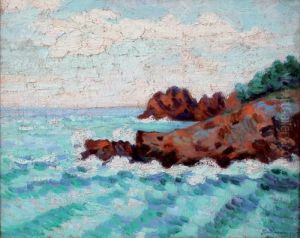
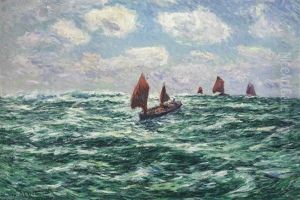
The ProfoundInfluence of Plein Air Paintingon Art History
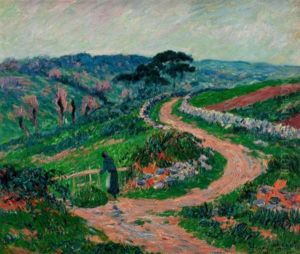
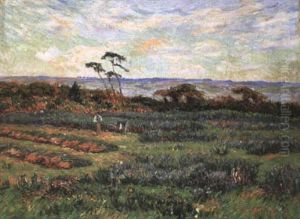
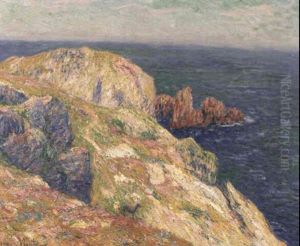
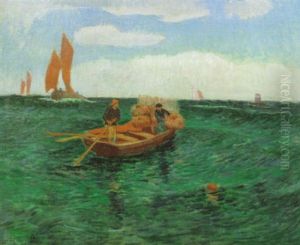
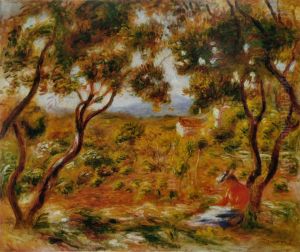
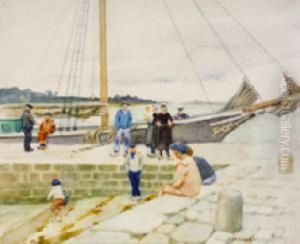
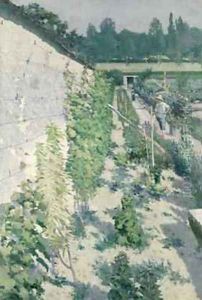
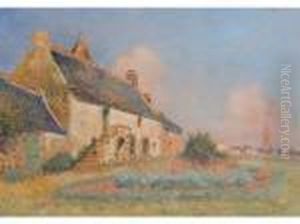
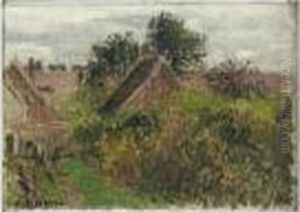
The practice of painting outdoors, known as plein air painting, revolutionized the art world and fundamentally reshaped how artists perceived and depicted their surroundings. This innovative approach, moving away from the confines of the studio, allowed painters to capture the true essence of light, atmosphere, and color directly from nature. The profound influence of plein air painting can be seen across various artistic movements, leading to some of the most beloved masterpieces in art history.
Before the mid-19th century, most landscape paintings were composed in studios, often from sketches or memory. Plein air painting changed this by emphasizing direct observation and the fleeting effects of natural light. Artists like those from the Barbizon School, including Jean-Baptiste-Camille Corot and Théodore Rousseau, were early pioneers, venturing into the forests of Fontainebleau to paint directly from life. Their spontaneous brushwork and focus on capturing the mood of a scene laid crucial groundwork for future developments.
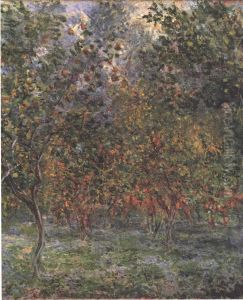
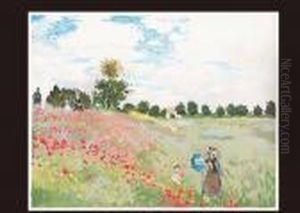
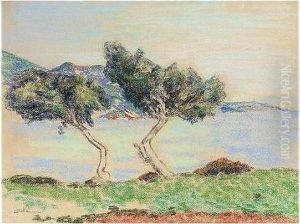
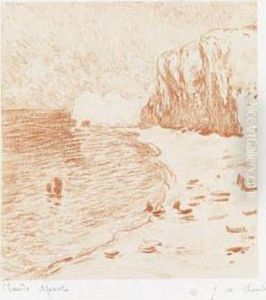
However, it was the Impressionists who truly embraced and popularized the techniques of open-air painting. Masters such as Claude Monet, Pierre-Auguste Renoir, Camille Pissarro, and Alfred Sisley meticulously studied the changing conditions of light at different times of day and seasons. Their dedication to capturing these transient moments resulted in vibrant, luminous canvases that broke away from traditional academic styles. The use of portable easels and pre-mixed paints further facilitated this shift, allowing for a freedom and immediacy previously unattainable. The enduring influence of plein air painting is perhaps most evident in the characteristic broken brushstrokes and dazzling color palettes of Impressionism.
Beyond France, the impact of painting outdoors resonated globally. British landscape artists like John Constable and J.M.W. Turner, though earlier, also demonstrated a keen interest in natural light and atmospheric effects, foreshadowing the plein air movement. In America, the Hudson River School painters, while often working on grander scales, also drew inspiration from direct observation of vast natural landscapes. The legacy of this practice continues to inspire contemporary artists, proving that the desire to connect with and interpret the natural world remains timeless.
Exploring the works born from the influence of plein air painting offers a unique window into a pivotal era of artistic innovation. These masterpieces, celebrated for their vibrancy and authenticity, invite viewers to experience the beauty of nature as seen through the eyes of the artists who dared to step outside and paint the world as it truly appeared.
Copyright 2010 - 2026 by PlentyOfPaintings.com All rights reserved. - Your Paintings of Choice


