Bror Julius Olsson Nordfeldt Paintings
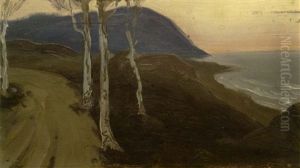
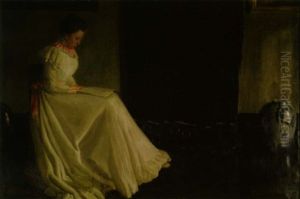
Bror Julius Olsson Nordfeldt, better known as B.J.O. Nordfeldt, was a Swedish-American artist born on April 13, 1878, in Tullstorp, Sweden. At the age of 13, he immigrated to the United States with his family, settling in Chicago. Nordfeldt’s early artistic endeavors were supported by his work as a commercial printer, which also introduced him to the technical aspects of printmaking.
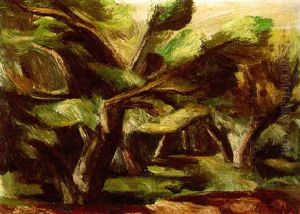
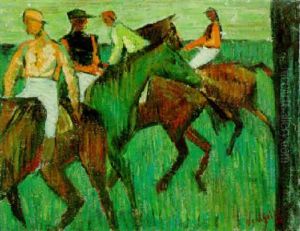
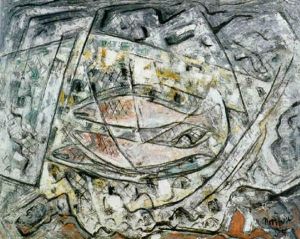
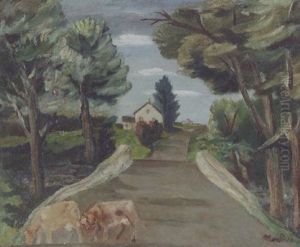
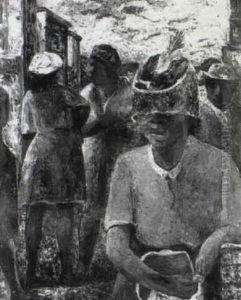
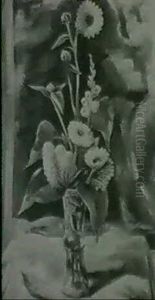
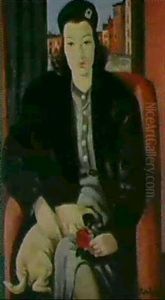
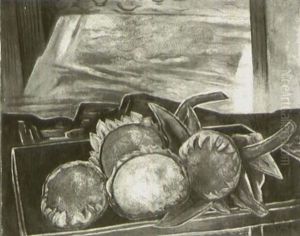
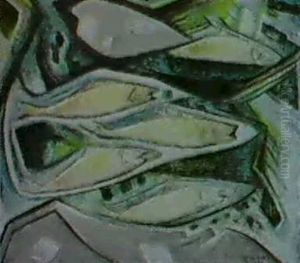
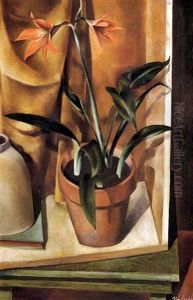
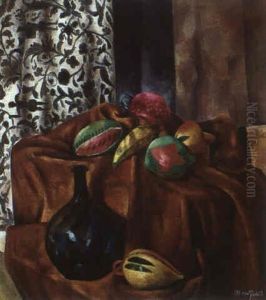
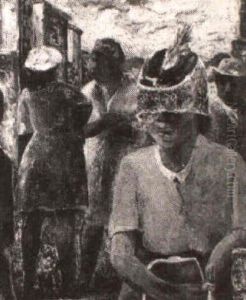
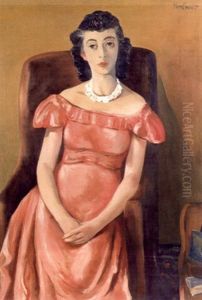
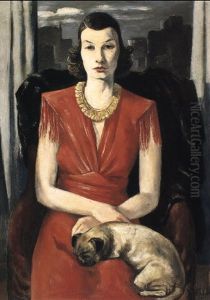
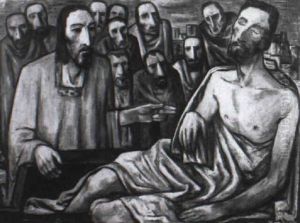
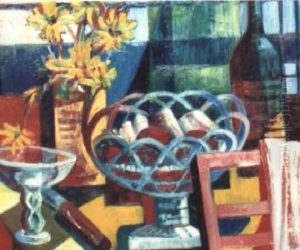
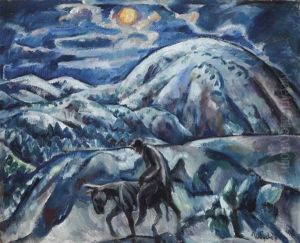
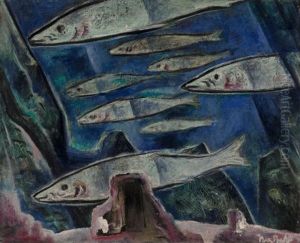
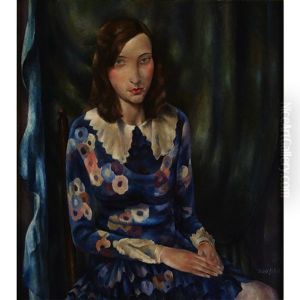
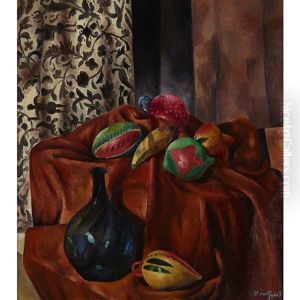
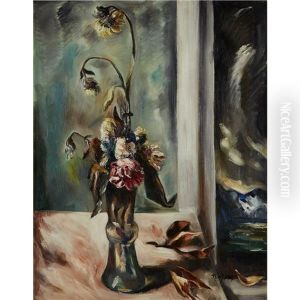
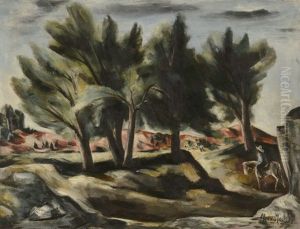
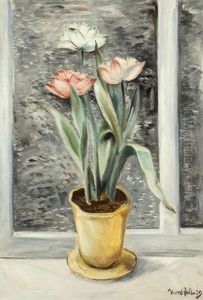
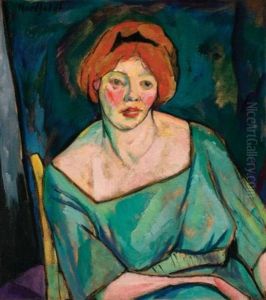
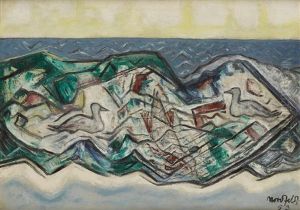
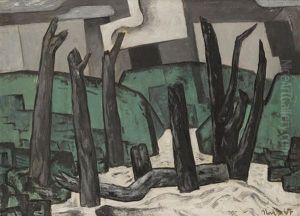
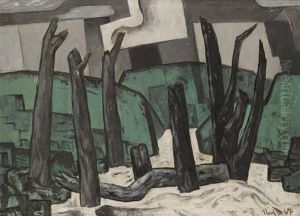
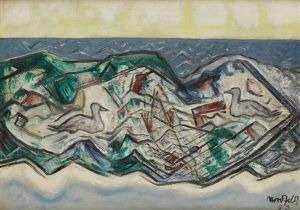
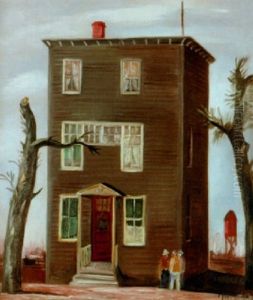
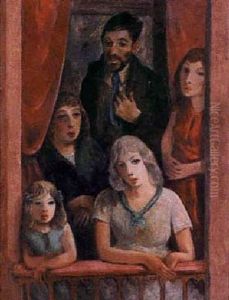
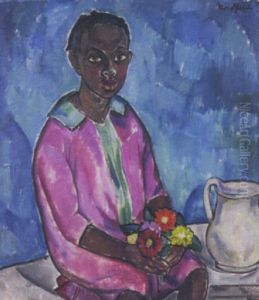
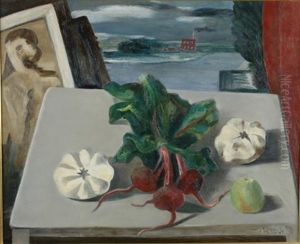
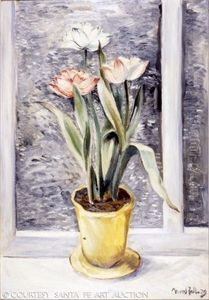
Nordfeldt studied at the Art Institute of Chicago and later at the Académie Julian in Paris, where he was influenced by the work of Post-Impressionist painters. His early style reflected this influence, and he began to gain recognition for his paintings and prints, which often incorporated bold use of color and dynamic compositions. He was also influenced by the work of the Cubists and the Modernist movement, which can be seen in the evolution of his style.
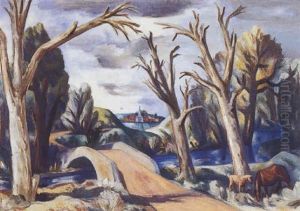
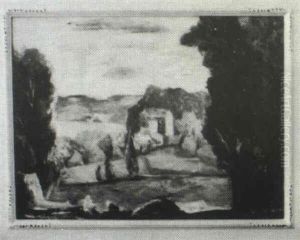
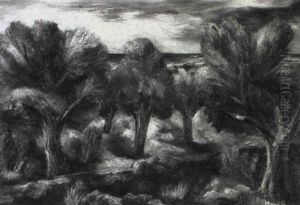
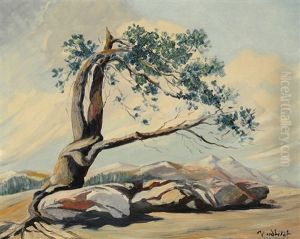
In the early 20th century, Nordfeldt moved to New Mexico, where he became part of the Taos Art Colony, immersing himself in the rich cultural and artistic traditions of the region. His work during this period began to reflect the landscapes and cultural motifs of the American Southwest, and he developed a distinctive style that blended Modernist sensibilities with American themes.
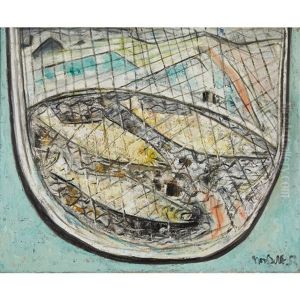
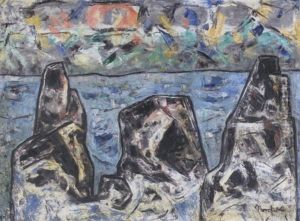
Nordfeldt served in the United States Army during World War I, where he was exposed to camouflage techniques. These experiences further influenced his artistic approach, leading to a more abstracted and symbolic representation in his work. After the war, he returned to the United States, where he continued to evolve his style and technique, particularly in the realm of woodblock printing.
He is perhaps best known for his contributions to American printmaking, particularly his development of the white-line woodcut, also known as the Provincetown print. This method broke away from traditional European woodcut techniques and allowed for a more painterly approach to prints. Nordfeldt’s prints from this period are characterized by their stylized lines and the use of flat areas of color, which were influential in the development of American printmaking in the 20th century.
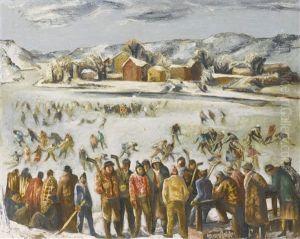
Throughout his career, Nordfeldt was an active participant in the American art scene, exhibiting his work widely and receiving numerous awards. His paintings and prints are held in many major museums and collections across the United States.
B.J.O. Nordfeldt passed away on April 21, 1955, in Henderson, Texas. His legacy endures through his contributions to the fields of painting and printmaking, and he remains a significant figure in early American Modernism.
Copyright 2010 - 2026 by PlentyOfPaintings.com All rights reserved. - Your Paintings of Choice


