Sydney Long Paintings
Sydney Long was an Australian painter, etcher, and teacher, known for his contributions to the Art Nouveau movement in Australia. He was born on August 20, 1871, in Goulburn, New South Wales, and he displayed a talent for art at an early age. Long moved to Sydney as a teenager, where he began his formal art education at the Art Society of New South Wales’ school, studying under landscape painter Alfred James Daplyn and later under Julian Ashton at the influential Julian Ashton Art School.
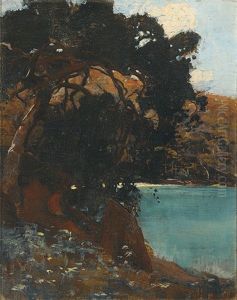
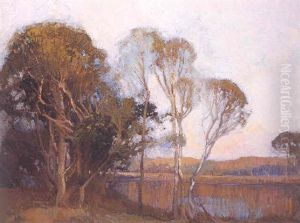
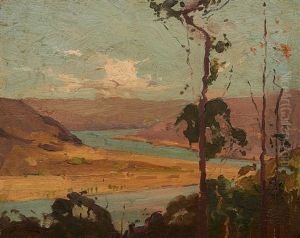
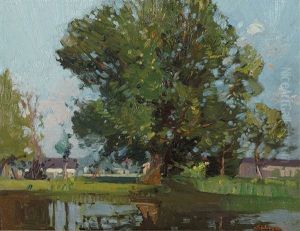
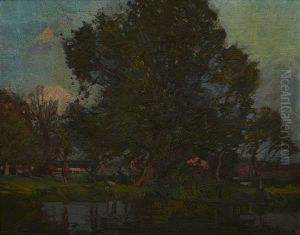
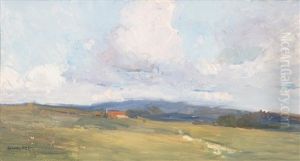
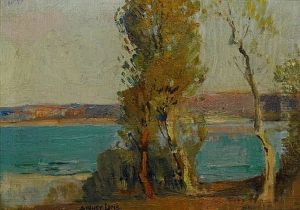
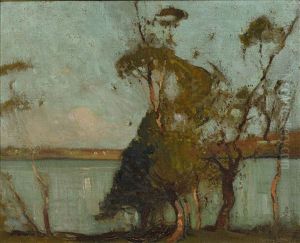
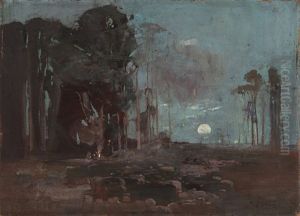
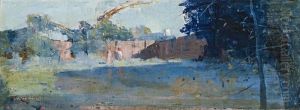
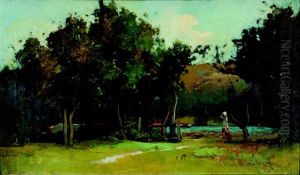
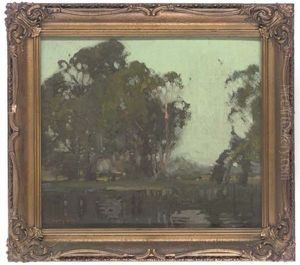
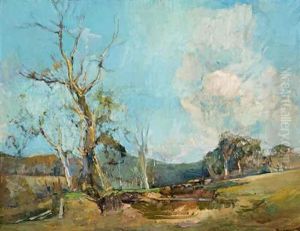
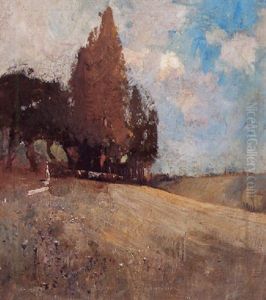
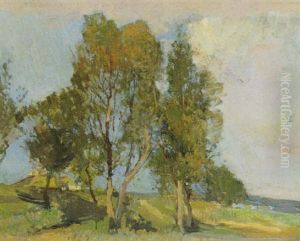
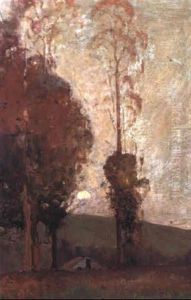
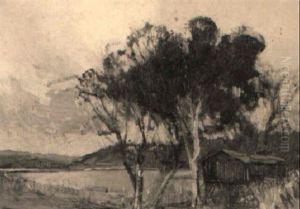
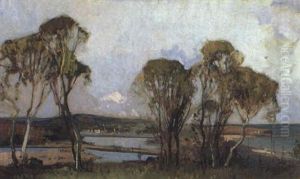
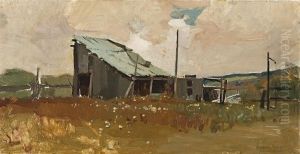
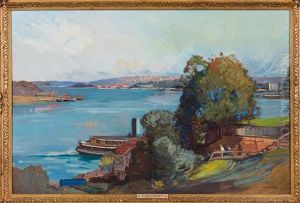
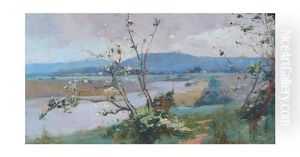
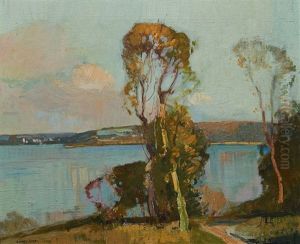
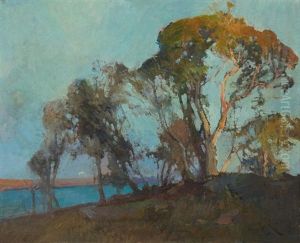
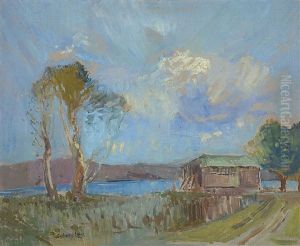
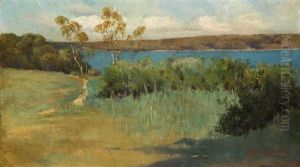
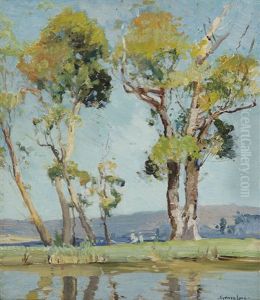
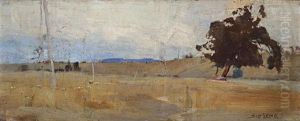
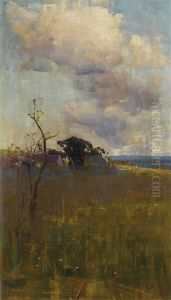
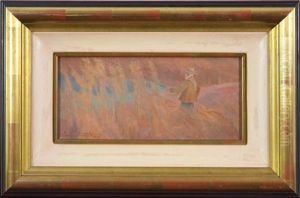
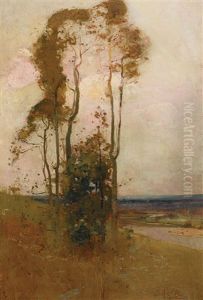
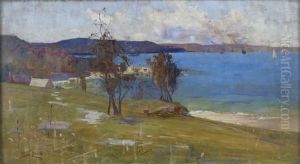
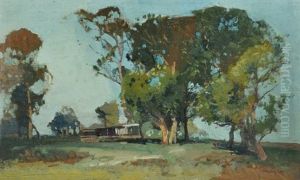
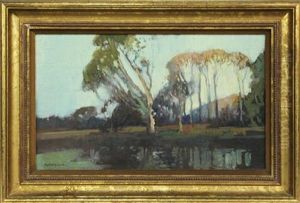
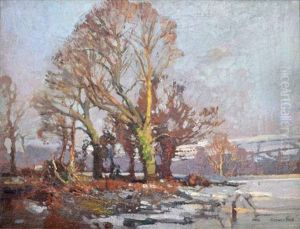
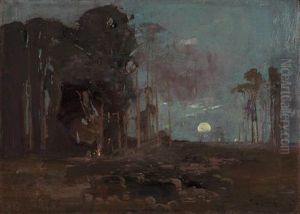
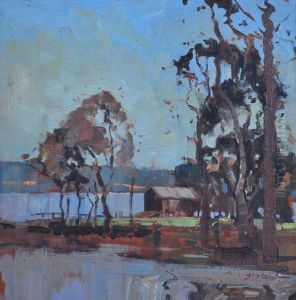
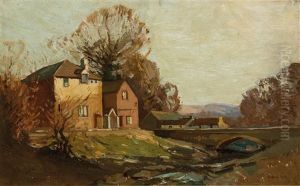
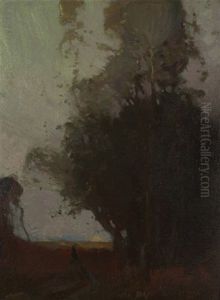
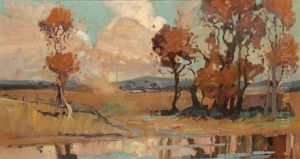
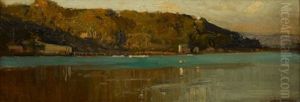
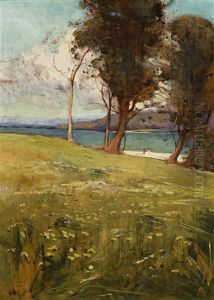
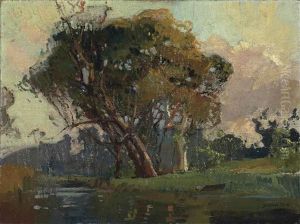
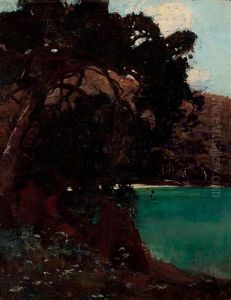
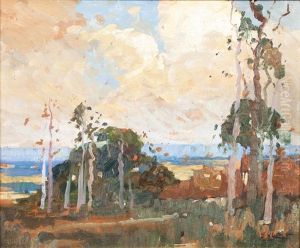
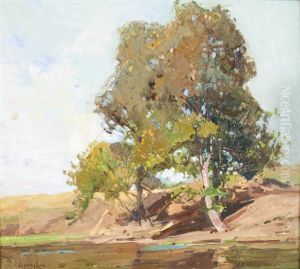
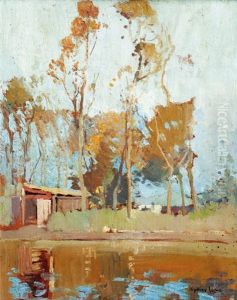
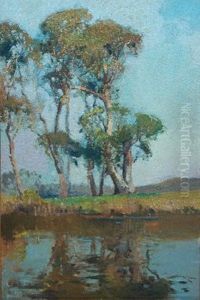
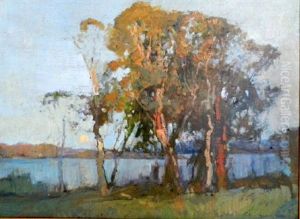
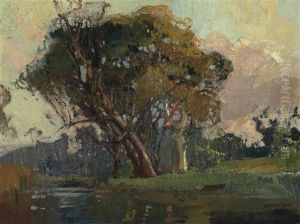
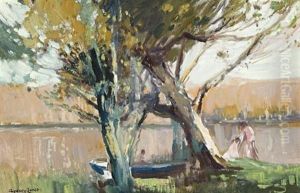
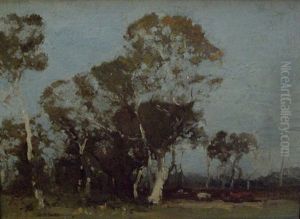
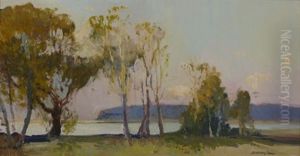
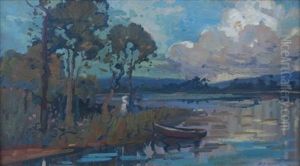
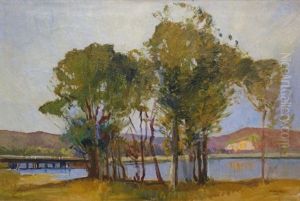
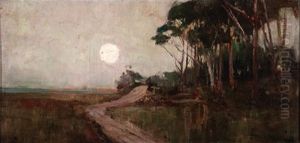
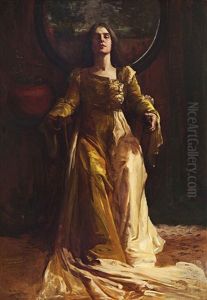
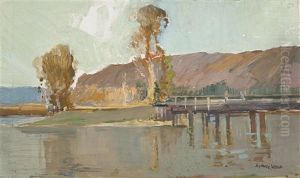
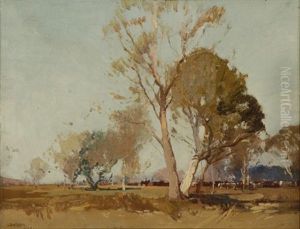
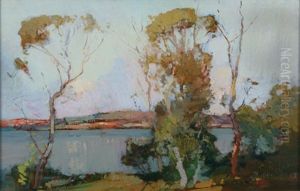
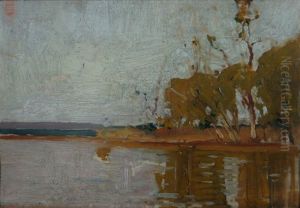
Long's work often depicted idyllic, Arcadian landscapes imbued with a sense of mysticism and symbolism. One of his most famous works, 'The Spirit of the Plains' (1897), shows an ethereal figure playing a pan flute, leading a procession of dancing brolgas across the Australian landscape. This painting, among others, demonstrates Long's ability to blend European Art Nouveau elements with distinctly Australian subjects, creating a unique visual language that resonated with national identity and the burgeoning sense of Australian independence from colonial ties.
Throughout his career, Long continued to evolve his style. After moving to London in 1910, he was influenced by the European etching revival, and he became well-known for his etchings as well as his paintings. His time in Europe included service during World War I, after which he returned to Australia in 1925. Upon his return, Long became an influential figure in the Sydney art scene, both as a teacher and through his involvement with various art societies.
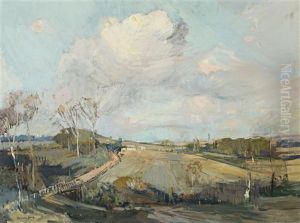
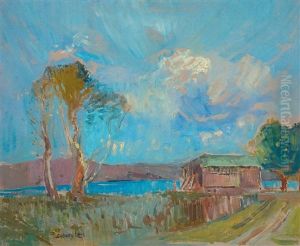
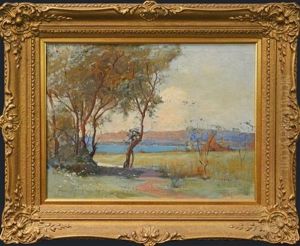
Sydney Long's legacy is one of innovation and the celebration of the Australian landscape. He continued to work and teach until his death on January 23, 1955, in Longueville, New South Wales. Today, his works are held in major Australian galleries and continue to be celebrated for their unique and lyrical portrayal of the land and its mystical qualities.

Copyright 2010 - 2026 by PlentyOfPaintings.com All rights reserved. - Your Paintings of Choice


