Tyko Sallinen Paintings
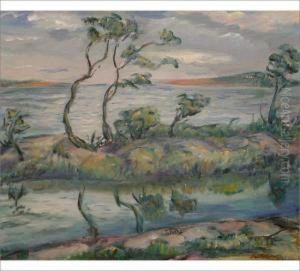
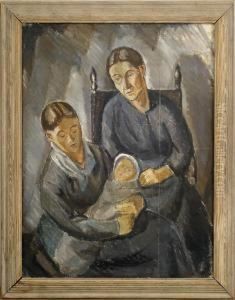
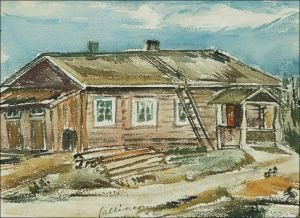
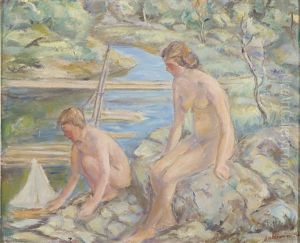
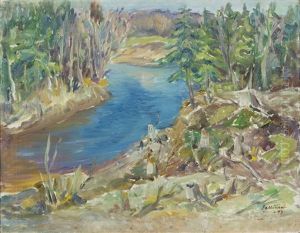
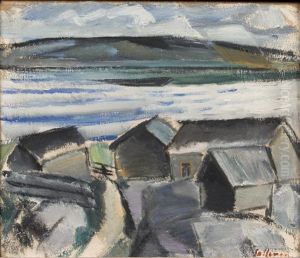
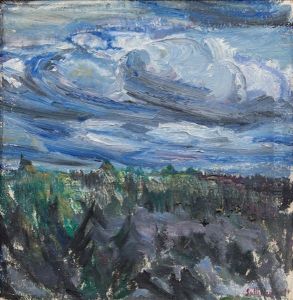
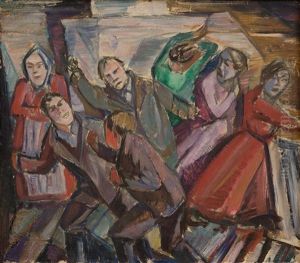
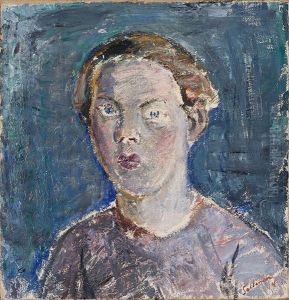
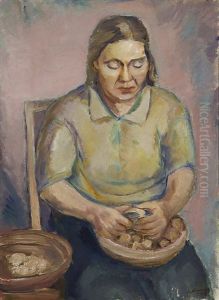
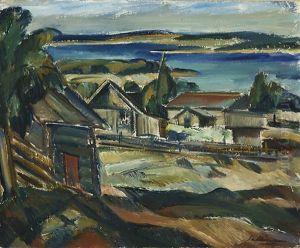
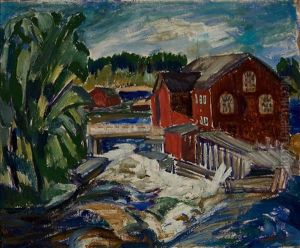
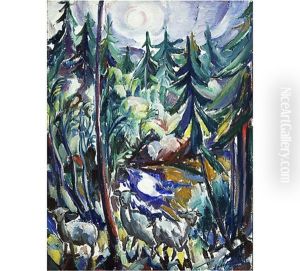
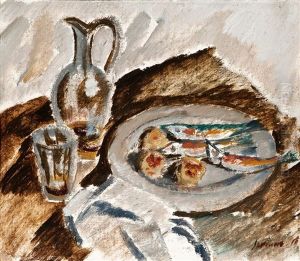
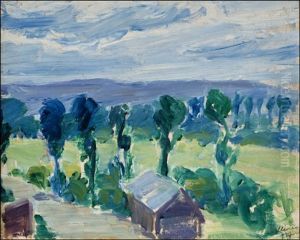
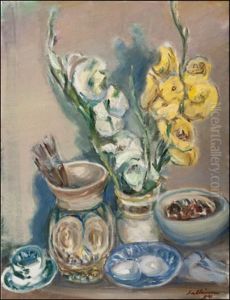
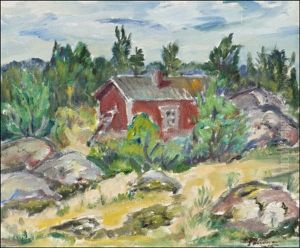
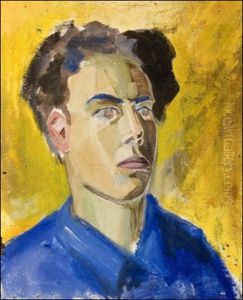
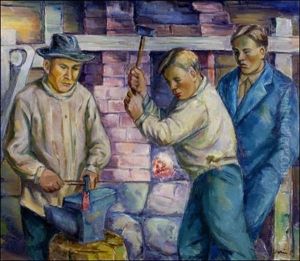
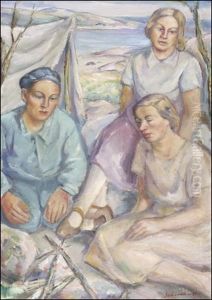
Tyko Sallinen was a significant Finnish expressionist painter, born on March 14, 1879, in Kymi, Finland. He was one of the pioneers of expressionism in Finnish art during the early 20th century. Sallinen's early life was marked by poverty, which influenced the themes of his art as he often depicted the harsh realities and struggles of the working class.
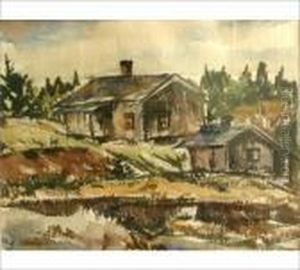
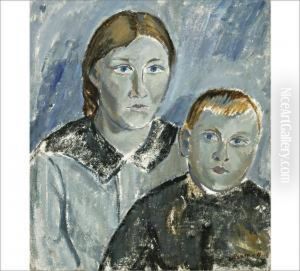
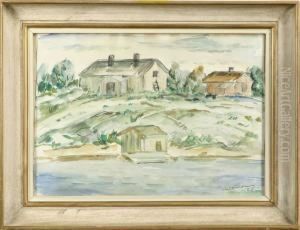
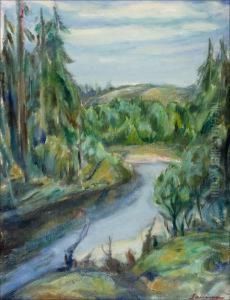
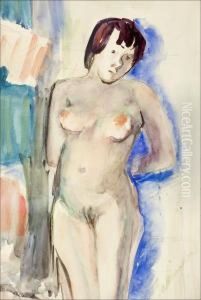
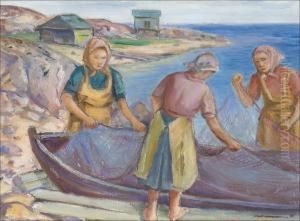
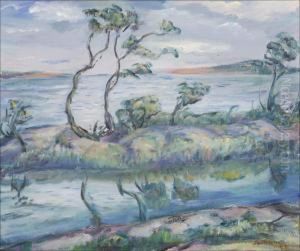
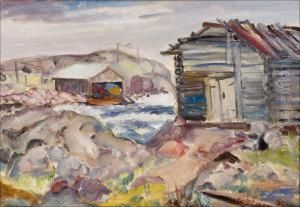
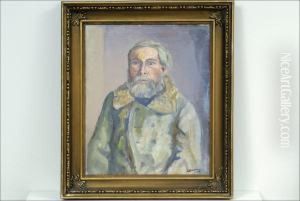
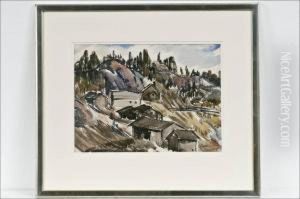
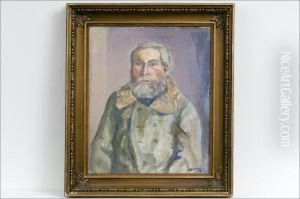
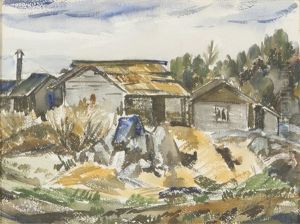
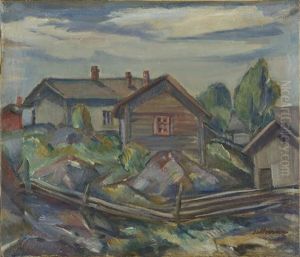
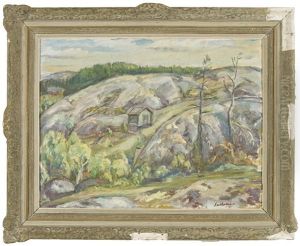
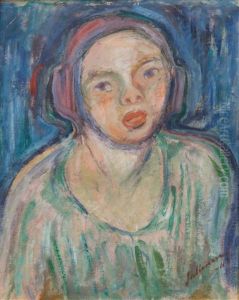
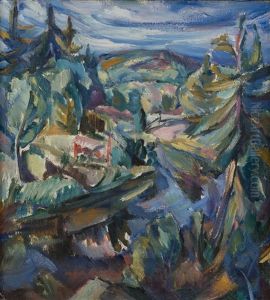
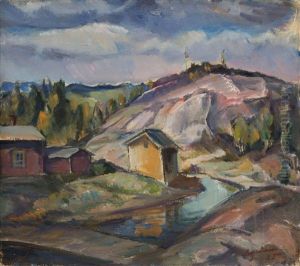
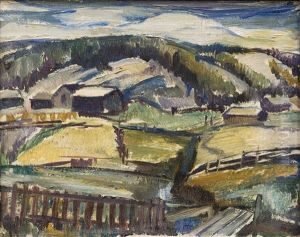
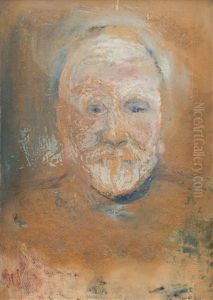
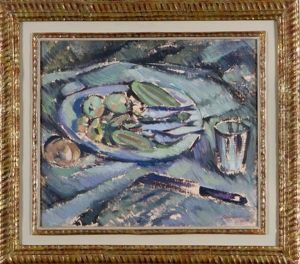
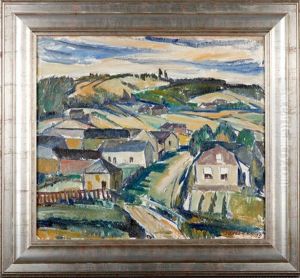
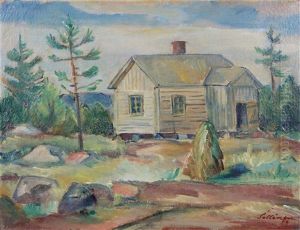
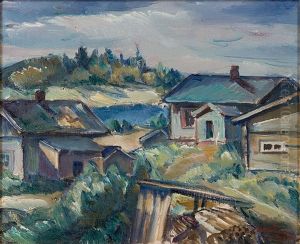
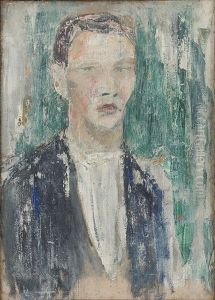
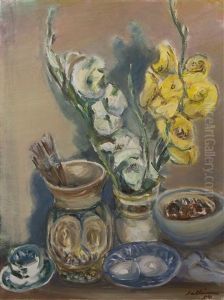
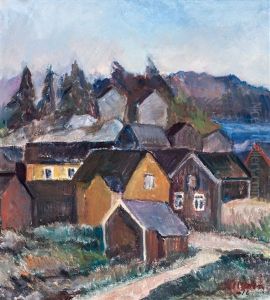
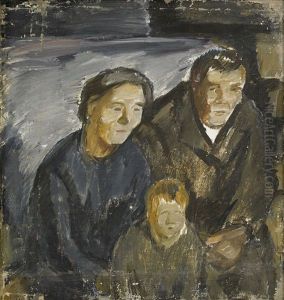
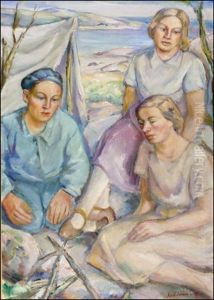
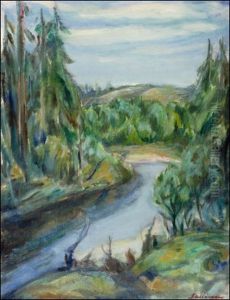
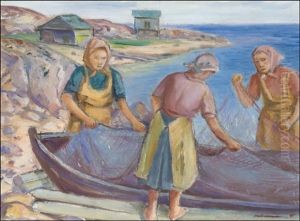
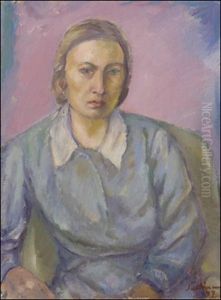
In his early career, Sallinen was influenced by the naturalistic style, but he gradually shifted towards expressionism as he sought to convey more emotional depth and psychological intensity in his work. His paintings are characterized by bold colors, strong forms, and a certain rawness that captures the essence of his subjects. He was particularly known for his portraits, landscapes, and depictions of Finnish rural life.
Sallinen's work was often controversial; his stark and sometimes brutal portrayal of life was not always well-received by critics or the public. Despite this, he was an influential figure in the Finnish art scene and played a pivotal role in the November Group (Marraskuun ryhmä), a collective of Finnish artists who shared an interest in expressionism and modernism.
In 1910, Tyko Sallinen married the artist Helmi Vartiainen, who was also a painter and an important influence on his work. They had two daughters, who were frequently featured in Sallinen's paintings. The couple later divorced, and Sallinen's personal life was often tumultuous, which further colored his artistic output.
Throughout his career, Sallinen faced financial difficulties and struggled to gain widespread recognition. Nevertheless, he continued to paint and exhibit his work. After his death on September 18, 1955, in Helsinki, his contributions to Finnish art were more fully acknowledged. Today, Tyko Sallinen is recognized as one of the leading figures in Finnish expressionism, and his works are held in high regard, with many on display in Finnish museums and galleries, including the Ateneum Art Museum in Helsinki.
Copyright 2010 - 2026 by PlentyOfPaintings.com All rights reserved. - Your Paintings of Choice


