Spatial Organization Paintings
Understanding Spatial Organization in Classic Oil Paintings
When it comes to appreciating classic oil paintings, spatial organization plays a crucial role. This artistic principle refers to how elements are arranged within a composition, influencing the viewer's perception and emotional response. Master artists have expertly utilized spatial organization to create depth, balance, and harmony in their works, making it an essential aspect of art appreciation.
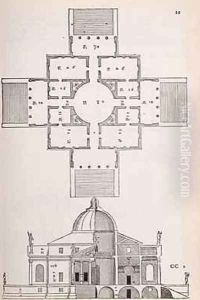
The concept of spatial organization not only enhances the aesthetic appeal of a painting but also guides the viewer's journey through the artwork. By understanding how artists manipulate space, lines, and forms, one can gain deeper insights into the narrative and themes presented. For instance, the use of foreground, middle ground, and background helps establish a sense of scale and perspective, allowing the viewer to immerse themselves in the scene.
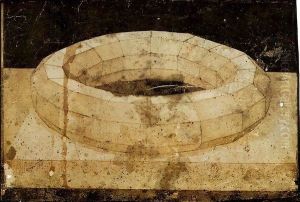
In classic oil paintings, various techniques contribute to effective spatial organization. Artists often employ techniques such as overlapping, scaling, and linear perspective to create a three-dimensional illusion on a two-dimensional canvas. These methods draw the eye to focal points and lead it through the composition, enhancing the overall storytelling of the piece.
Moreover, the arrangement of colors and light can significantly impact spatial organization. Warm colors tend to advance while cool colors recede, helping to create a dynamic balance within the artwork. Understanding these nuances can elevate your appreciation for classic oil paintings, as you recognize the skill involved in their creation.
Whether you are a seasoned art collector or a casual admirer, recognizing the importance of spatial organization in classic oil paintings enriches your experience. Explore various masterpieces, paying close attention to how artists organize space to convey emotion and meaning. By doing so, you will not only enhance your own understanding of art but also develop a greater respect for the craftsmanship that goes into each piece.
Copyright 2010 - 2026 by PlentyOfPaintings.com All rights reserved. - Your Paintings of Choice


