Alfred Bastien Paintings
Alfred Bastien was a Belgian artist known for his paintings, particularly those depicting scenes from World War I. Born in Ixelles, Belgium, on September 16, 1873, Bastien studied at the Royal Academy of Fine Arts in Brussels. His talent was recognized early on, and he was awarded the Godecharle Prize for his promising work.
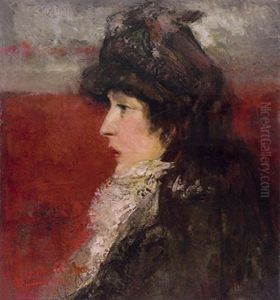
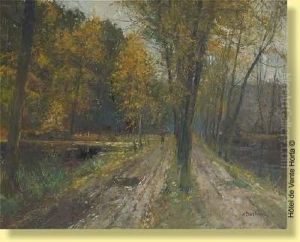
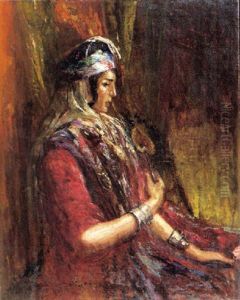
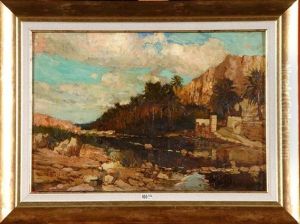
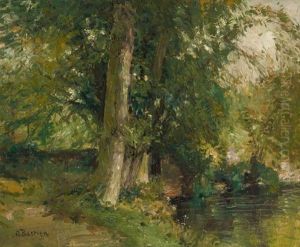
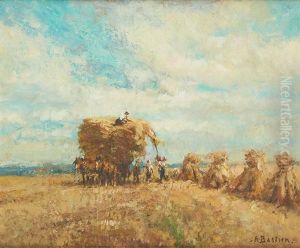
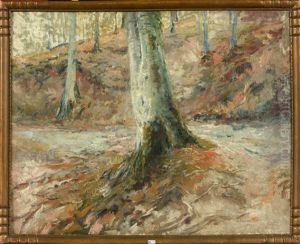
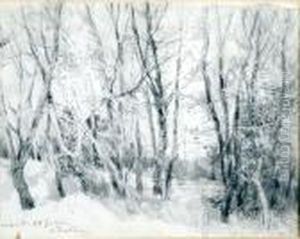
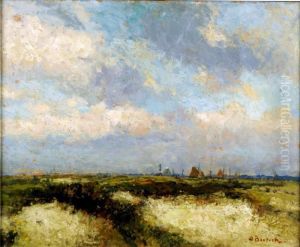
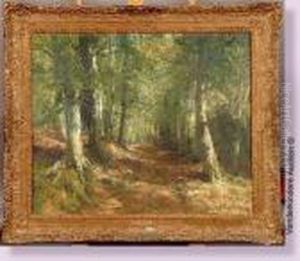
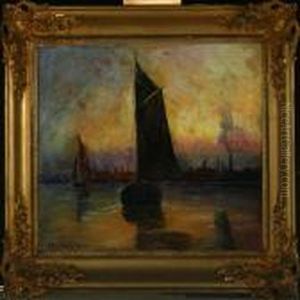
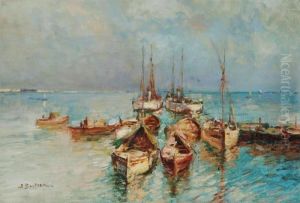
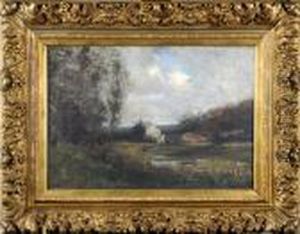
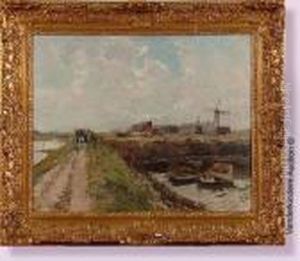
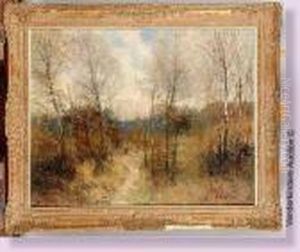
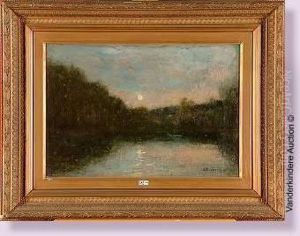
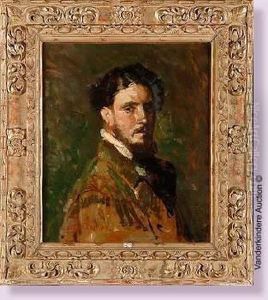
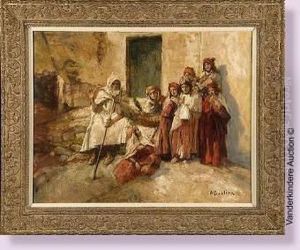
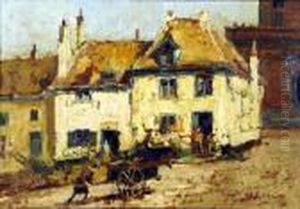
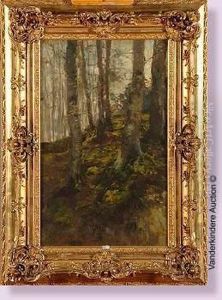
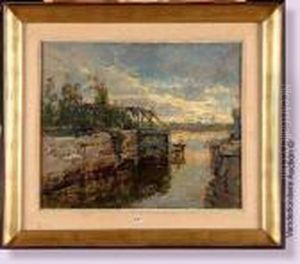
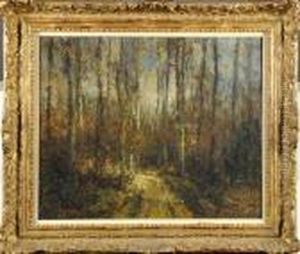
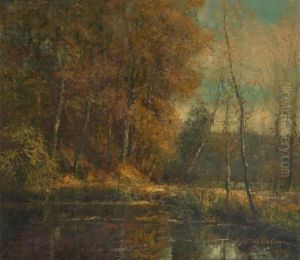
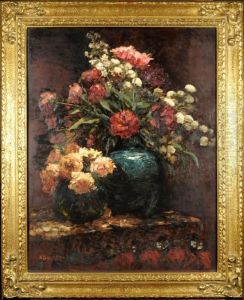
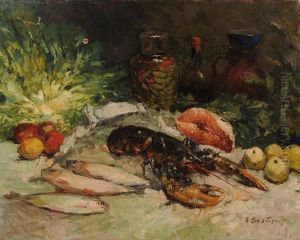
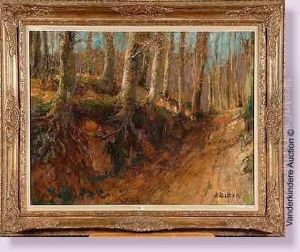
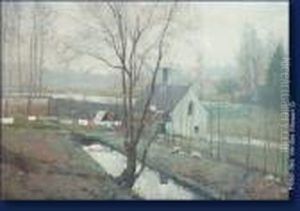
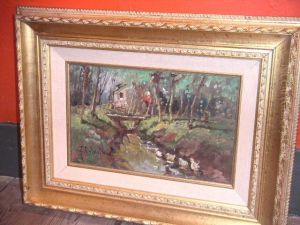
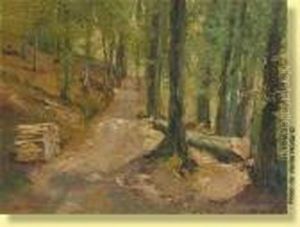
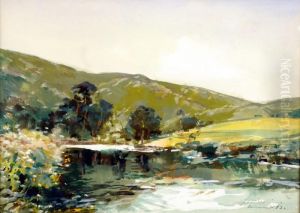
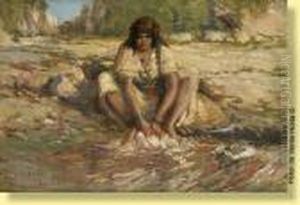
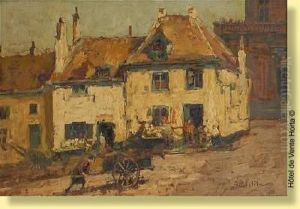
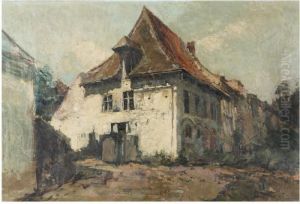
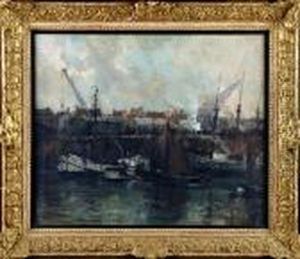
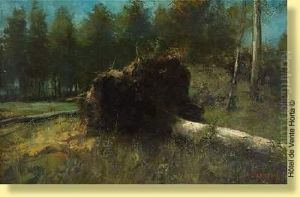
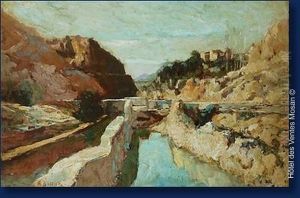
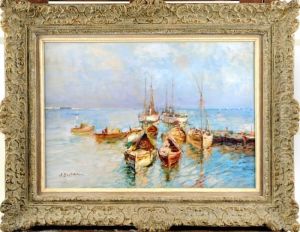
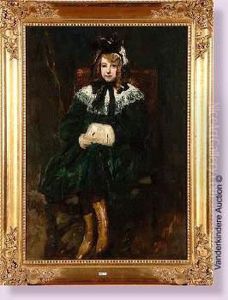
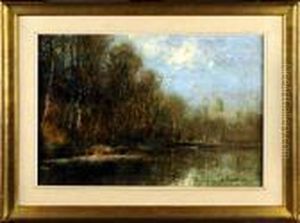
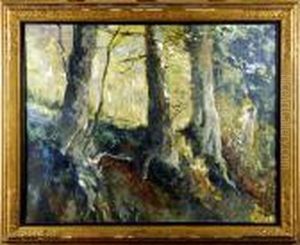
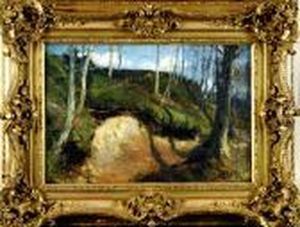
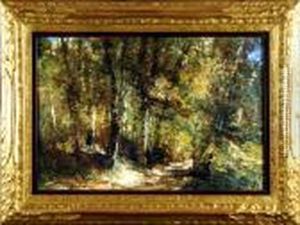
During his early career, Bastien traveled extensively, which influenced his artistic style. He visited and worked in locations such as Paris, where the vibrant art scene of the time left a mark on his development as a painter. Bastien's work encompassed various subjects, including landscapes, portraits, and historical scenes, showcasing his versatility as an artist.
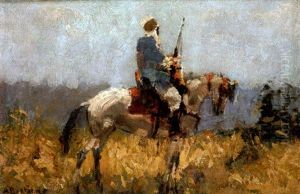
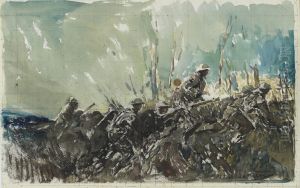
With the outbreak of World War I, Bastien was commissioned as an official war artist for the Belgian army. He was tasked with documenting the conflict, which led to some of his most famous works. His paintings from this period are known for their realism and attention to detail, capturing the horror and drama of the war.
One of his most notable works from this time is the panoramic painting 'The Yser Panorama,' which depicts the Battle of the Yser, a significant moment in the Belgian resistance against the German forces. This large-scale work was exhibited in a purpose-built rotunda in Brussels and was highly acclaimed for its depiction of the Belgian soldiers' bravery.
After the war, Bastien continued to paint and exhibit his works. He also taught at the Royal Academy of Fine Arts in Brussels, where he influenced a new generation of Belgian artists. Throughout his career, he received several honors and awards, including the title of Commander of the Order of Leopold.
Alfred Bastien's legacy is that of a skilled painter who not only captured the beauty of the natural world and the human figure but also bore witness to the significant historical events of his time. His wartime paintings remain a poignant reminder of the sacrifices and struggles of the Belgian people during World War I.
Bastien's work is part of many public and private collections, and his contributions to Belgian art are still celebrated today. He passed away on March 7, 1955, in Uccle, Belgium, leaving behind a rich portfolio of artworks that continue to be admired for their historical value and artistic merit.
Copyright 2010 - 2026 by PlentyOfPaintings.com All rights reserved. - Your Paintings of Choice


