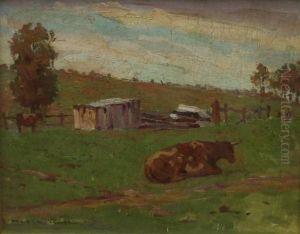
Anthony Datillo Rubbo Paintings
Anthony Datillo Rubbo was an Italian-born Australian artist and teacher who made significant contributions to the art community in Australia during the early 20th century. Born on May 13, 1870, in Naples, Italy, Rubbo showed early talent in art and was encouraged to pursue his passion. He studied at the Naples Academy of Fine Arts, where he honed his skills in painting and sculpture.
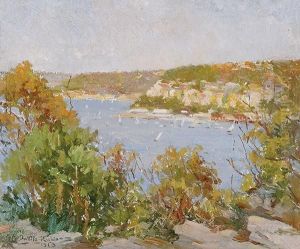
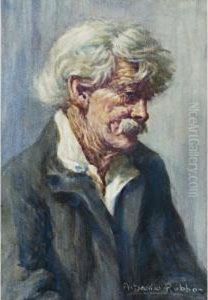
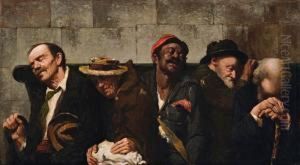
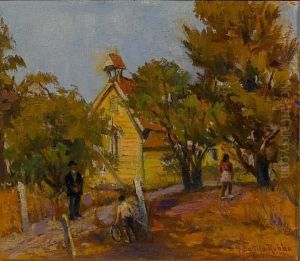
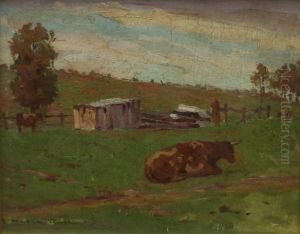
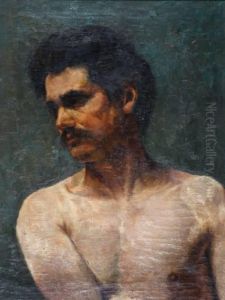
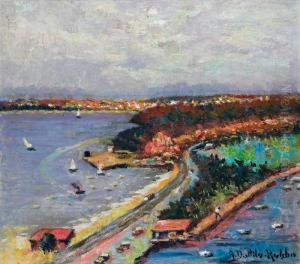
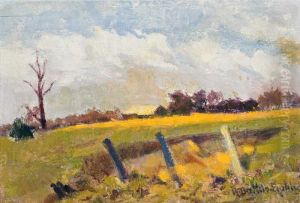
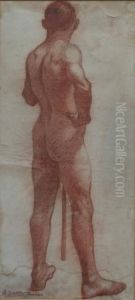
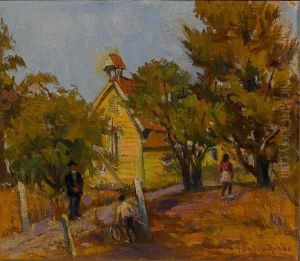
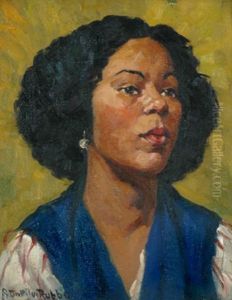
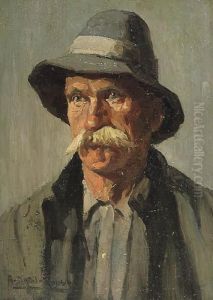
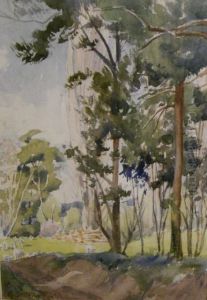
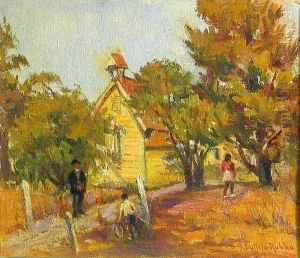
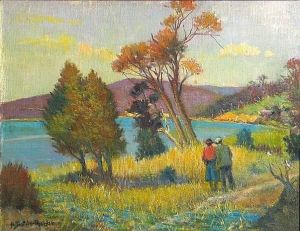
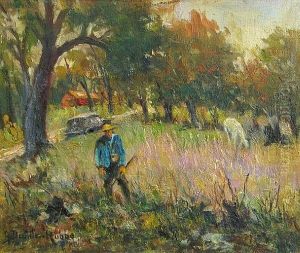
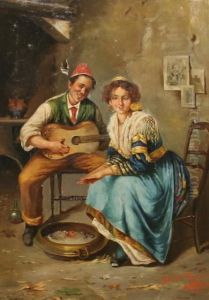
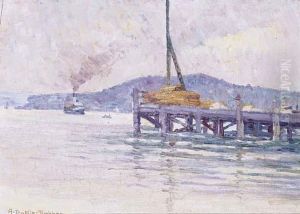
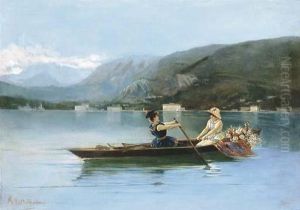
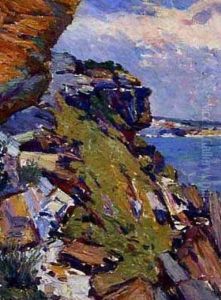
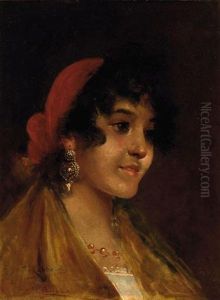
After completing his education, Rubbo moved to Australia in 1897, seeking new opportunities. He initially settled in Sydney and became an influential figure in the local art scene. His work encompassed a variety of subjects, including portraits, landscapes, and historical scenes, showcasing a strong command of both traditional and modern artistic techniques.
Rubbo was also a dedicated educator who believed in nurturing the talents of young artists. In 1906, he founded the Datillo Rubbo Art School in Sydney, which became a prominent institution for art education. Through his teaching, he emphasized the importance of direct observation and encouraged his students to develop their own artistic style.
Throughout his career, Rubbo actively participated in art societies and exhibitions. He was a member of the Royal Art Society of New South Wales, where he exhibited his work regularly. His paintings were well-received, and he gained recognition not only for their technical merit but also for their emotional depth and expressiveness.
During the 1920s and 1930s, Rubbo's reputation continued to grow. He was commissioned to create several public works and murals, some of which still adorn public buildings in Sydney today. His contributions to art and education were widely acknowledged, and he played a key role in shaping the Australian art community of his time.
Anthony Datillo Rubbo passed away on August 1, 1955, in Sydney, leaving behind a legacy of artistic achievement and inspiration. His teachings and philosophy on art have had a lasting impact on generations of Australian artists, and his works continue to be celebrated for their vibrant energy and cultural significance.
Copyright 2010 - 2026 by PlentyOfPaintings.com All rights reserved. - Your Paintings of Choice


