Bela Kadar Paintings
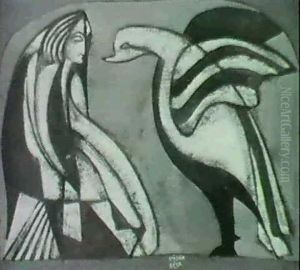
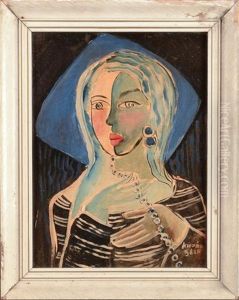
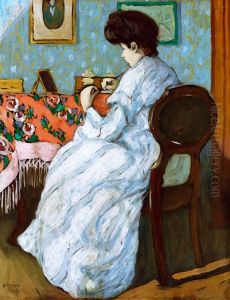
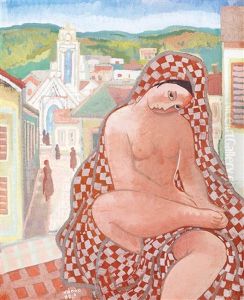
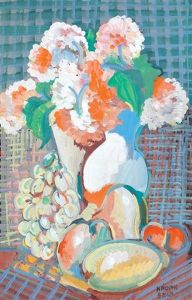
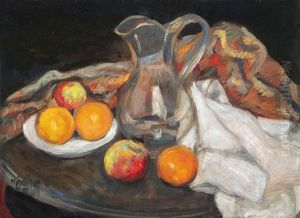
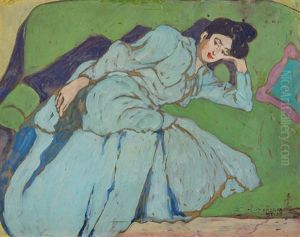
Béla Kádár was a Hungarian modernist painter and graphic artist who gained recognition in the early 20th century. Born on March 14, 1877, in Budapest, Hungary, Kádár demonstrated an early inclination towards art, which led him to study at the Mintarajzi Iskola (School of Drawing) in Budapest. His artistic journey was interrupted by World War I, during which he served in the Austro-Hungarian army. The war experience deeply impacted Kádár and influenced his subsequent works.
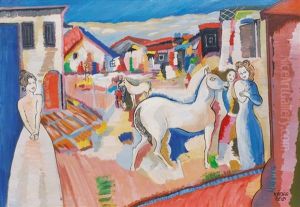
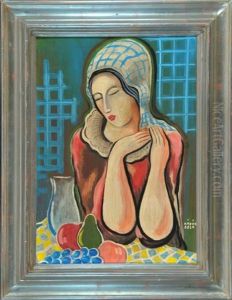
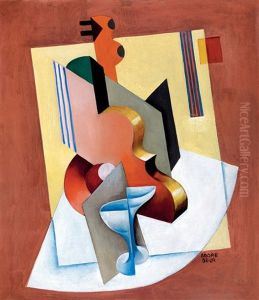
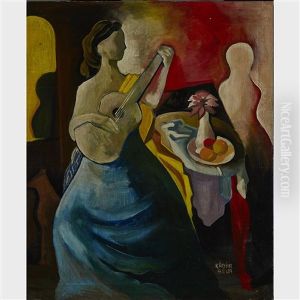
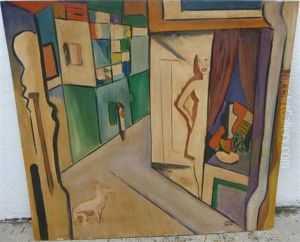
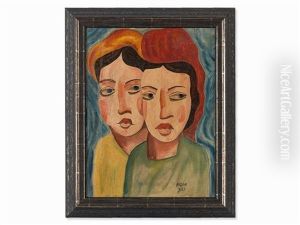
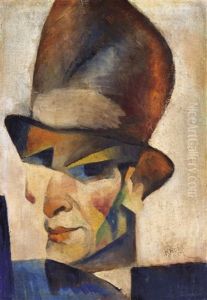
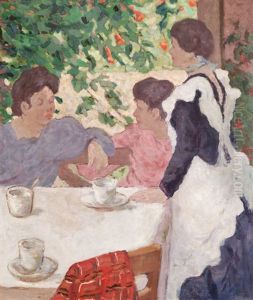
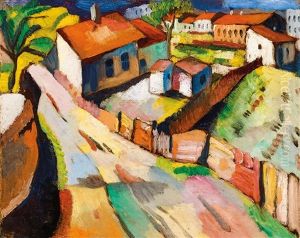
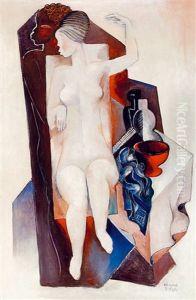
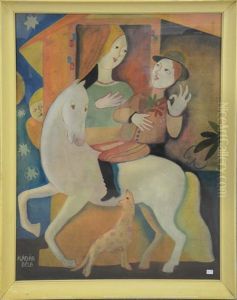
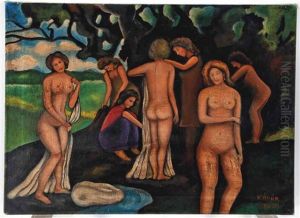
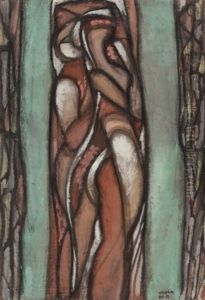
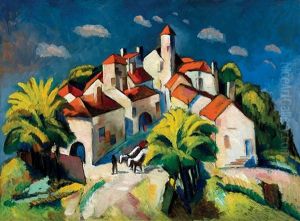
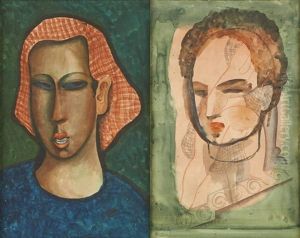
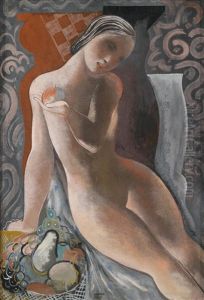
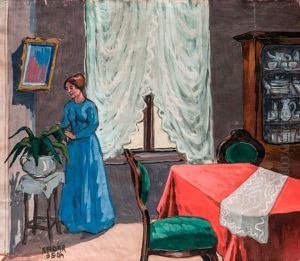
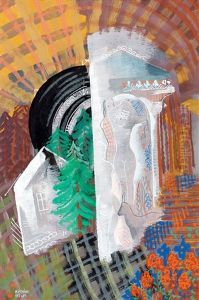
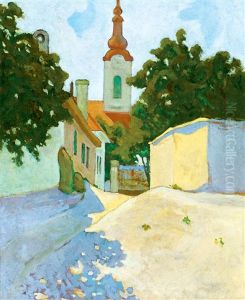
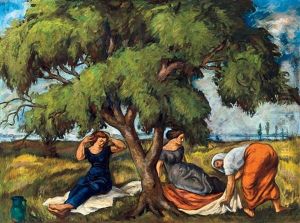
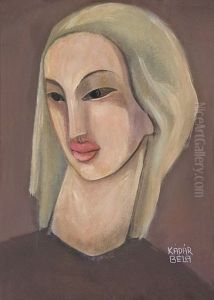
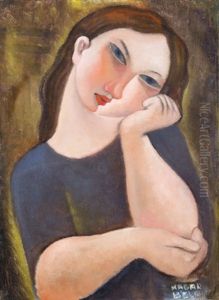
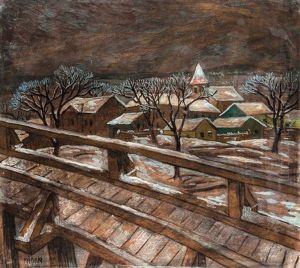
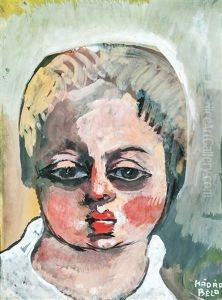
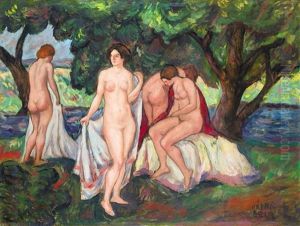
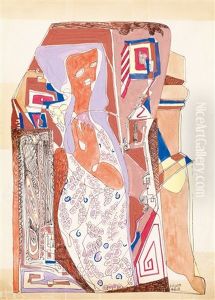
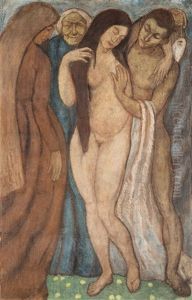
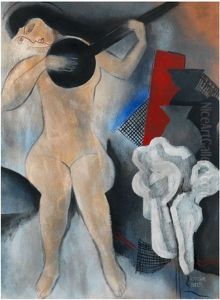
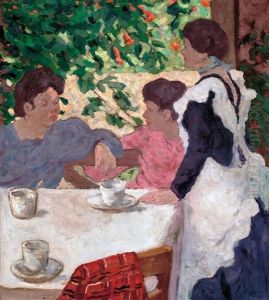
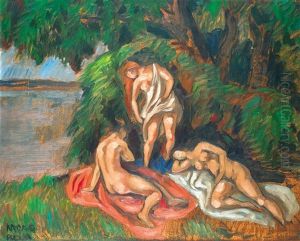
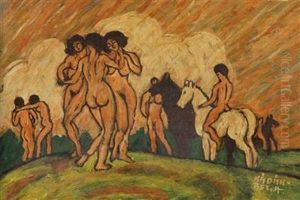
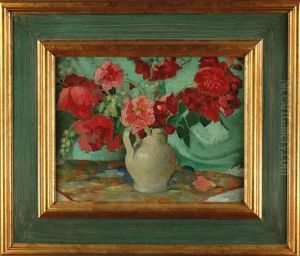
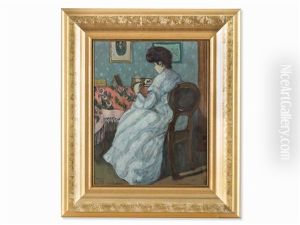
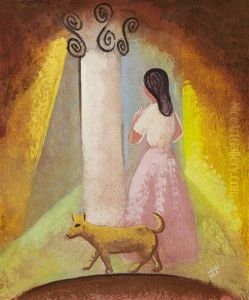
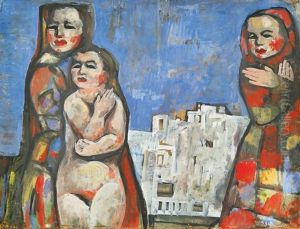
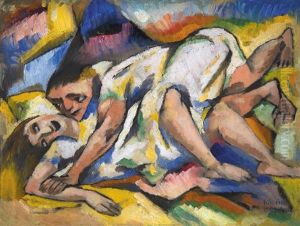
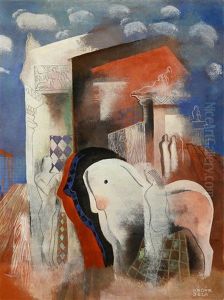
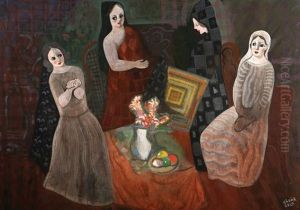
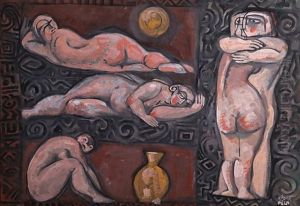
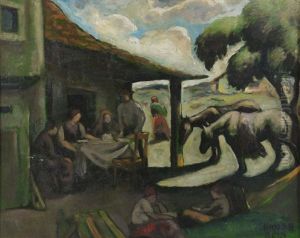
After the war, Kádár's style evolved, incorporating elements of Cubism, Expressionism, and Constructivism, reflecting the avant-garde movements that were sweeping through Europe at the time. He was particularly intrigued by the folklore and traditional culture of his homeland, which became a central theme in his art. Kádár's work often depicted scenes of Hungarian peasant life, folklore, and Jewish themes, blending modernist abstraction with narrative elements.
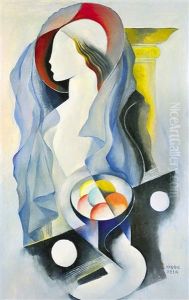
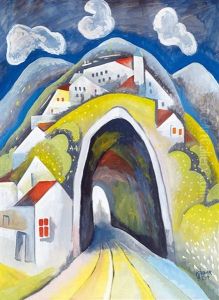
Throughout the 1920s and 1930s, Kádár's reputation grew internationally. He exhibited his work in several European countries, including Germany, where he was associated with the Bauhaus movement, and also in the United States. His exposure to Bauhaus principles is evident in his later works, which showcase a more geometric and abstract style.
Despite gaining some recognition, Kádár faced challenges throughout his career, including financial difficulties and the political turmoil of the interwar period and World War II. Nevertheless, he continued to produce a prolific body of work, including paintings, drawings, and prints.
Béla Kádár passed away on January 29, 1956, in Budapest. His legacy lives on in the rich and diverse body of artwork he left behind, which remains influential in Hungarian modern art. Kádár's work is held in numerous public collections, including the Hungarian National Gallery in Budapest and museums across Europe and the United States.




















Copyright 2010 - 2026 by PlentyOfPaintings.com All rights reserved. - Your Paintings of Choice


