Dearing Van Perrine Paintings
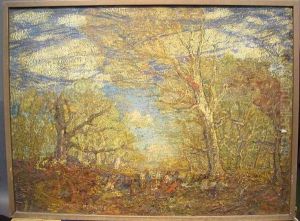
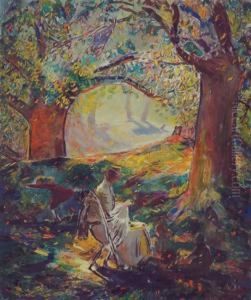
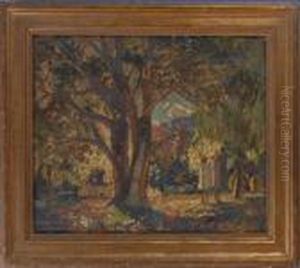
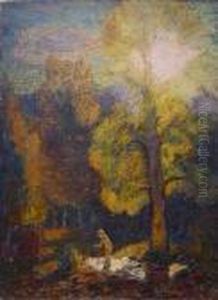
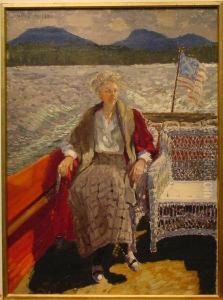
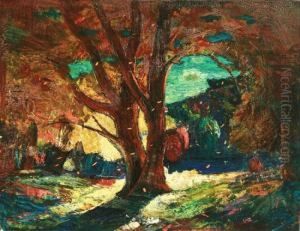
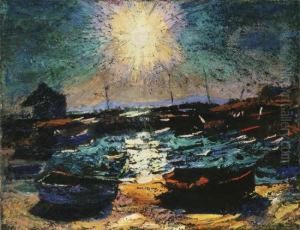
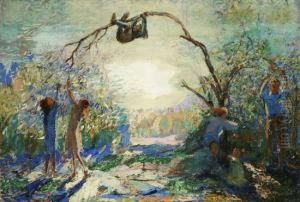
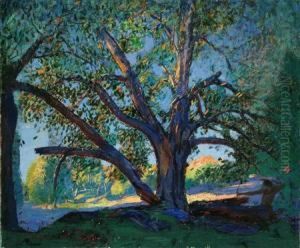
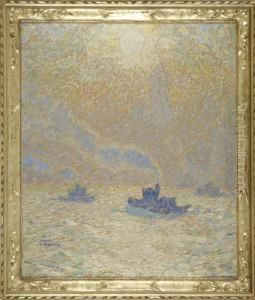
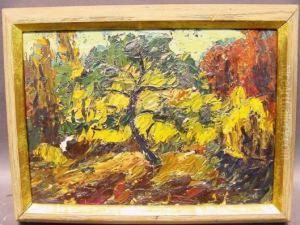
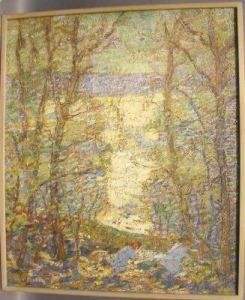
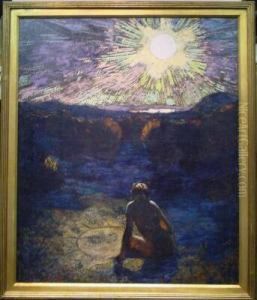
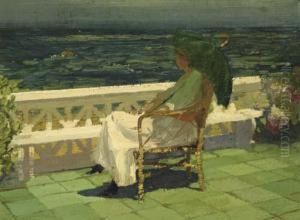
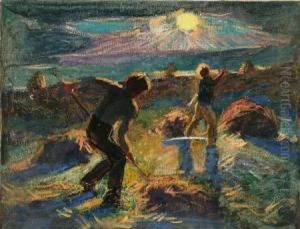
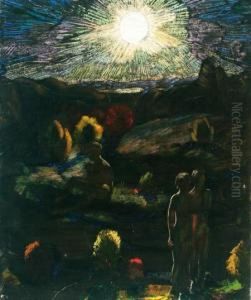
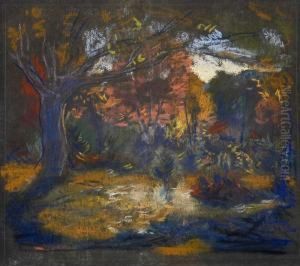
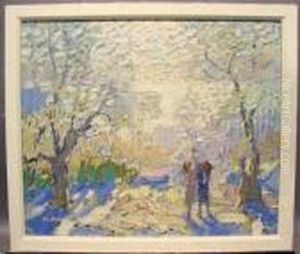
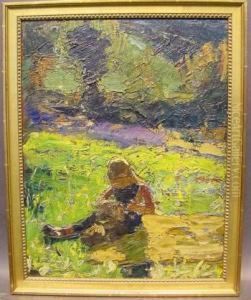
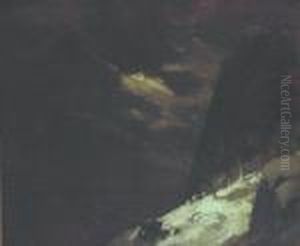
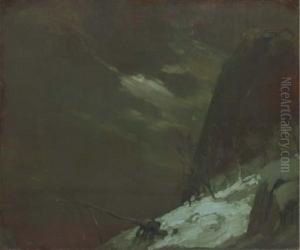
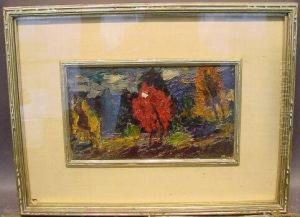
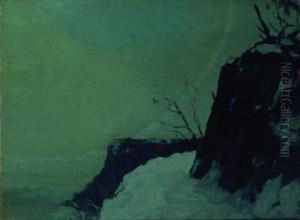
DeWitt Parshall, born in Buffalo, New York, was an accomplished artist known for his landscape paintings. He studied at the Académie Julian in Paris under the tutelage of Benjamin Constant and Jean-Paul Laurens, two prominent French painters of the time. Parshall's education in France greatly influenced his artistic style, which is characterized by the use of vibrant colors and a dynamic brushwork that was typical of the French Impressionists, though his work also shows the influence of the Barbizon school and Tonalism.
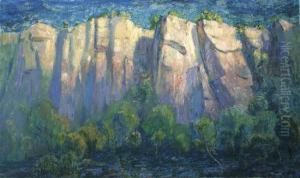
After his time in Europe, Parshall returned to the United States, where he became an active member of the art community. He settled in California and was particularly drawn to the rugged beauty of the state's landscapes. His works often featured the grandeur of the California mountains, the serenity of its valleys, and the majesty of the Pacific coastline. Parshall's ability to capture the essence of these scenes with emotional depth and atmospheric effects made him a significant figure in early Californian art.
DeWitt Parshall's contributions to the art world were recognized throughout his career. He became a member of the National Academy of Design in New York and was also involved with the California Art Club. His paintings were exhibited widely, including at the Panama-Pacific International Exposition in 1915 where he won a silver medal, thus cementing his reputation as a leading American landscape painter of his time.
Parshall's work is represented in numerous public collections, including the Los Angeles County Museum of Art and the Santa Barbara Museum of Art. His legacy lives on through his art, which continues to be appreciated for its evocative portrayal of the natural world and its reflection of the diverse influences that shaped the American art scene in the early 20th century.
Copyright 2010 - 2026 by PlentyOfPaintings.com All rights reserved. - Your Paintings of Choice


