Egon Oskar Von Kameke Paintings
Egon Oskar von Kameke was a German painter known for his contributions to landscape and maritime art. Born on March 18, 1881, in Stolp, Pomerania (now Słupsk, Poland), his upbringing in the coastal region of Pomerania deeply influenced his artistic direction, instilling a lifelong fascination with the sea and coastal landscapes. Von Kameke's early education in art began at the Berlin Academy of Arts, where he studied under prominent figures of the time, including Hans Gude, a Norwegian romanticist landscape painter. His education was a foundation that mixed traditional academic training with an openness to the evolving styles of the early 20th century.
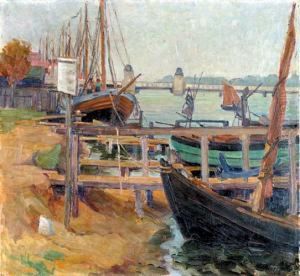
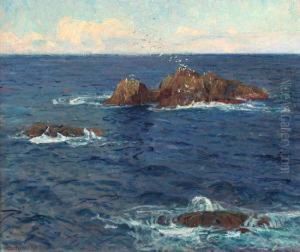
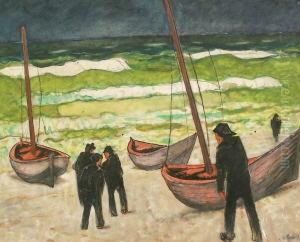
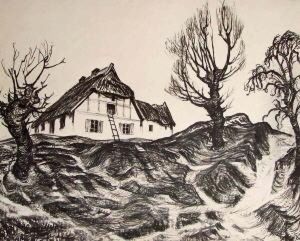
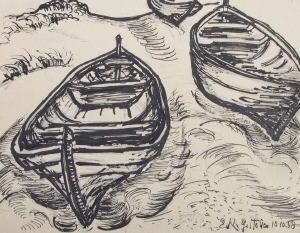
Throughout his career, von Kameke was recognized for his ability to capture the dynamic and ephemeral qualities of the sea and coastal environments. His works often depicted the North Sea and Baltic Sea, showcasing not just the natural beauty of these areas but also the life and labor of those who lived and worked along their shores. His paintings are characterized by a vivid use of color, meticulous attention to detail, and an ability to convey the mood and atmosphere of his subjects.
Egon Oskar von Kameke's contributions to art were not limited to his paintings. He was an active member of the German art community, participating in numerous exhibitions and contributing to the development of art societies and groups. His work gained recognition and was collected by art enthusiasts in Germany and abroad.
Despite the challenges faced by artists during the tumultuous years of the World Wars, von Kameke continued to produce work that resonated with both critics and the public. His dedication to his craft and his ability to capture the essence of the German landscape and seascape earned him a place among the notable German painters of his time.
Egon Oskar von Kameke passed away on January 25, 1955. His legacy lives on through his contributions to landscape and maritime painting, with his works continuing to be admired in galleries and collections around the world. His ability to blend traditional techniques with a unique sensitivity to nature and the elements has secured his place in the history of German art.

Copyright 2010 - 2026 by PlentyOfPaintings.com All rights reserved. - Your Paintings of Choice


