Ernst Schaumann Paintings
Ernst Schaumann was a German artist, born in 1886 in Hamburg, Germany. His life spanned through significant historical events, including two World Wars, which influenced not only the socio-political landscape of his time but also the evolution of art throughout Europe. Schaumann's work is notably less documented in mainstream art history, making him a somewhat enigmatic figure to many. However, his contributions to the art world, particularly in the realms of painting and printmaking, hold a distinctive place among early 20th-century European artists.
Schaumann's artistic journey began in the early years of the 20th century, a period marked by dramatic changes in art, with movements such as Expressionism, Dadaism, and later, Surrealism, reshaping the boundaries of artistic expression. Although detailed records of his education and early influences are sparse, it is evident that Schaumann was part of this broader cultural shift, experimenting with both the form and substance of his works. His style evolved over the years, reflecting the tumultuous times he lived in, yet he maintained a unique voice that distinguished his work from that of his contemporaries.
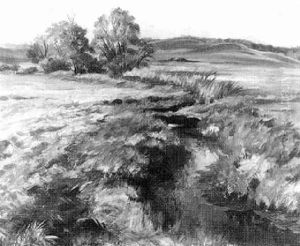
Throughout his career, Ernst Schaumann remained deeply engaged with the cultural and artistic movements of his time. His work, characterized by bold colors, dynamic compositions, and often, a sense of melancholy, speaks to the broader existential concerns of the early 20th century. Despite the lack of extensive documentation on his exhibitions and public reception, it is known that he was active in artistic circles, participating in exhibitions and contributing to the discourse around art and society.
Schaumann's later years were marked by a gradual withdrawal from the public eye, yet he continued to produce work until his death in 1974. Today, his legacy is preserved in various collections and exhibitions that explore the depth and breadth of German art in the 20th century. While he may not be as widely recognized as some of his peers, Ernst Schaumann's contribution to the art world remains significant, offering insight into the complexities of a time marked by upheaval and change.
Copyright 2010 - 2026 by PlentyOfPaintings.com All rights reserved. - Your Paintings of Choice


