Eugene Robert Pougheon Paintings
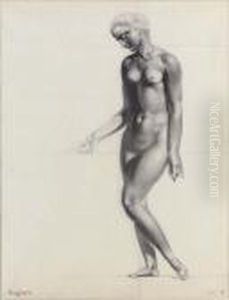
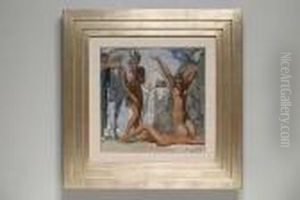
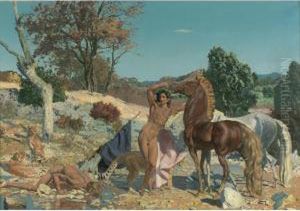
Eugène Robert Pougheon was a French painter and illustrator born on April 18, 1886, in Paris. He gained recognition for his work in various artistic fields, including painting, decorative arts, and illustration. Pougheon was a student of the Ecole des Beaux-Arts in Paris, where he was taught by noted painters such as Fernand Cormon and Gabriel Ferrier. His time at the Ecole des Beaux-Arts was formative, and it allowed him to develop a style that blended classical influences with modern sensibilities.
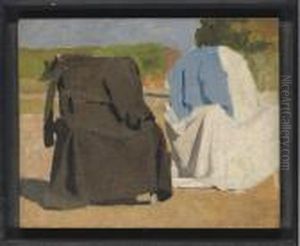
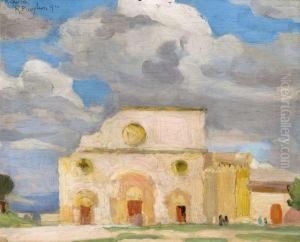
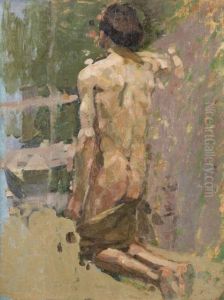
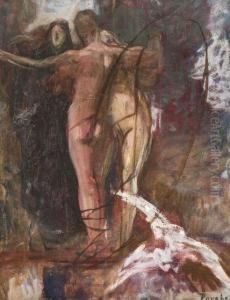
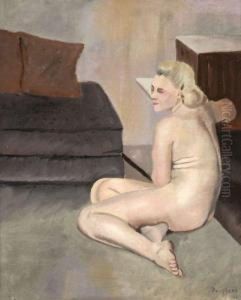
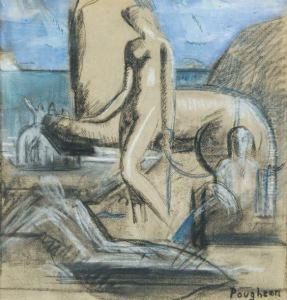
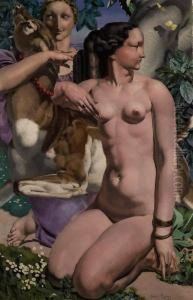
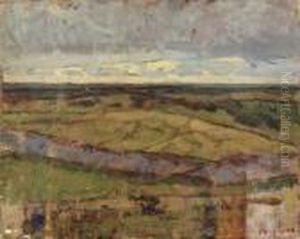
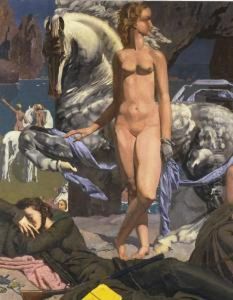
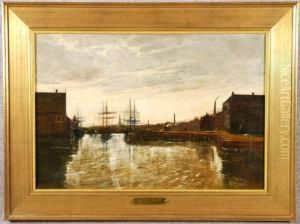
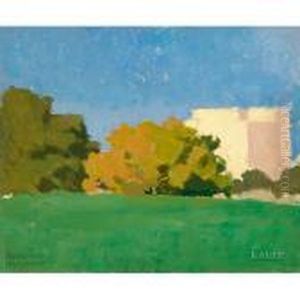
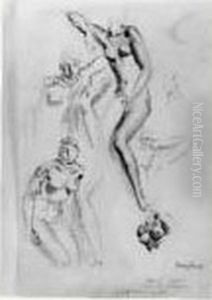
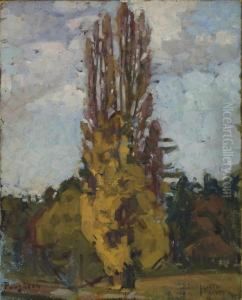
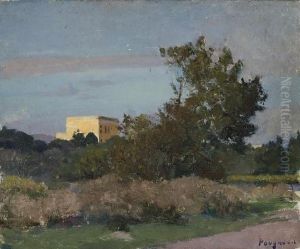
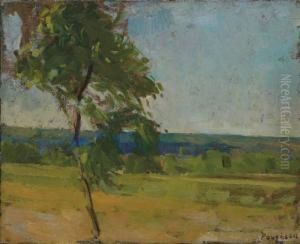
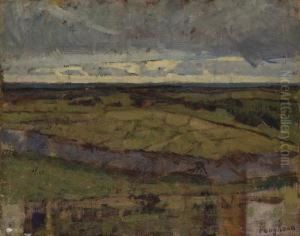
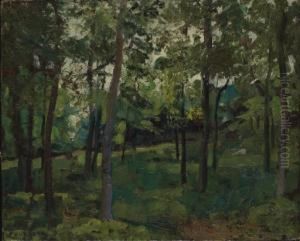
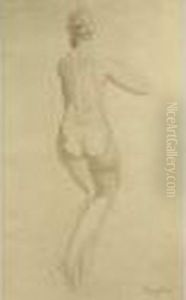
During his career, Pougheon exhibited at several prestigious venues, including the Salon des Artistes Français, where he received numerous awards for his work. He was known for his mastery in the use of color and for his ability to capture the essence of his subjects, which ranged from portraits to landscapes, and included both genre scenes and mythological subjects.
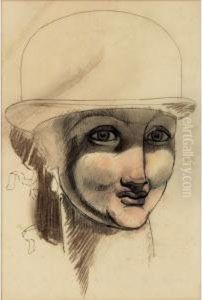
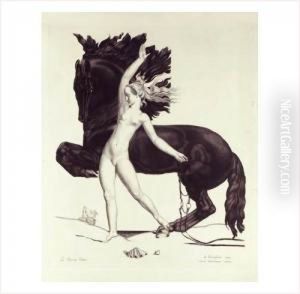
Pougheon's work was influenced by the Art Deco movement, which was prominent during the 1920s and 1930s. His illustrations often featured elegant figures and were characterized by a sense of sophistication and stylishness that reflected the era's aesthetic. As an illustrator, he contributed to various publications and created designs for theater sets and costumes, which showcased his versatility as an artist.
Throughout his life, Pougheon received significant recognition for his contributions to French art. He was awarded the Prix de Rome in 1914, which was one of the highest honors for artists in France at the time. This accolade allowed him to study at the Villa Medici in Rome, further influencing his artistic development with exposure to Italian Renaissance art.
Despite the disruptions caused by the World Wars, Pougheon continued to work and evolve his style. After World War II, he experienced a period of renewed creativity and produced a number of works that consolidated his reputation.
Eugène Robert Pougheon passed away on April 4, 1955, in Paris. Today, his works can be found in various museums and private collections, and he is remembered as a significant figure in French art during the first half of the 20th century. His artistic legacy is characterized by a commitment to beauty and elegance, as well as a blend of classical and modern elements that continue to captivate audiences.
Copyright 2010 - 2026 by PlentyOfPaintings.com All rights reserved. - Your Paintings of Choice


