Evie Sydney Hone Paintings
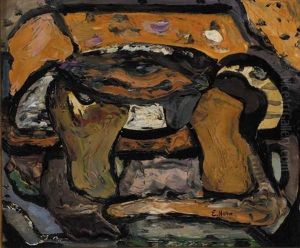
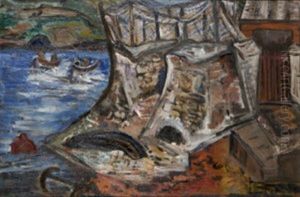
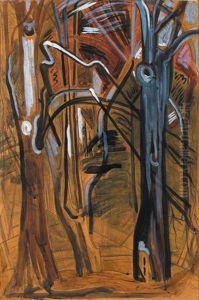
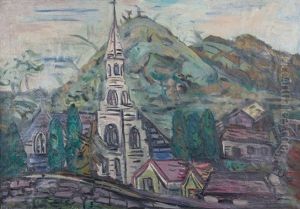
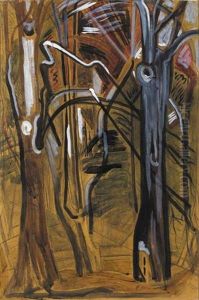
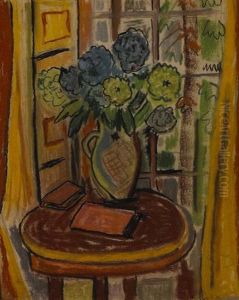
Evie Sydney Hone, born on April 22, 1894, in Dublin, Ireland, was a significant figure in the Irish art scene and is best known for her work in stained glass. Coming from an Anglo-Irish aristocratic background, Hone's artistic journey began when she contracted polio at a young age, which led to a lifetime of physical challenges. Despite this, she found solace and expression in art.
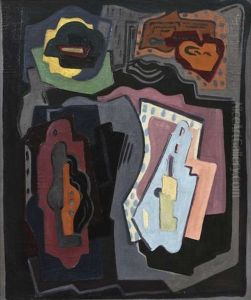
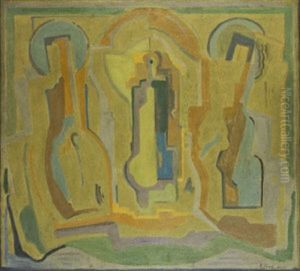
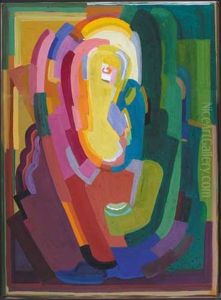
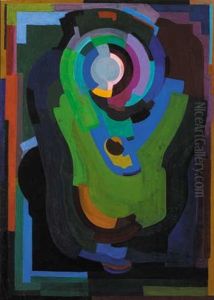
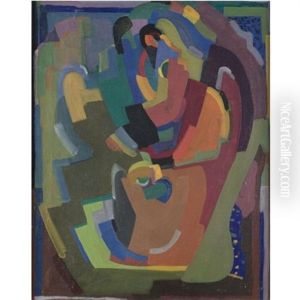
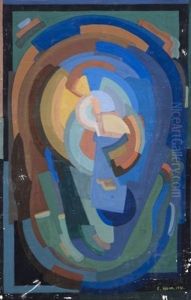
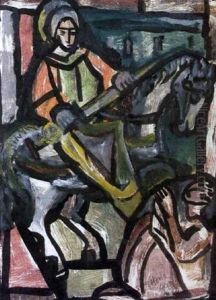
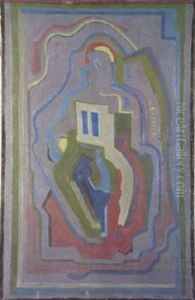
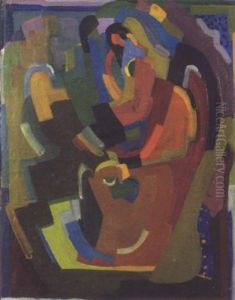
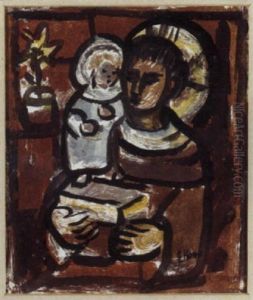
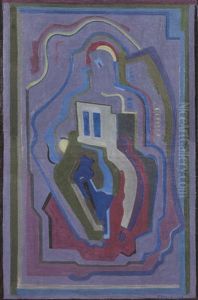
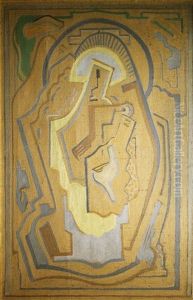
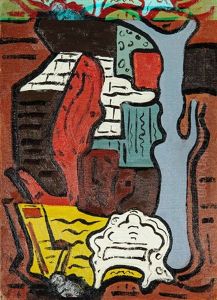
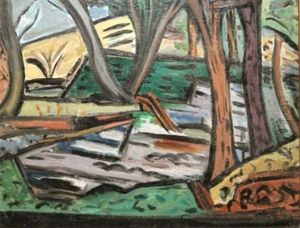
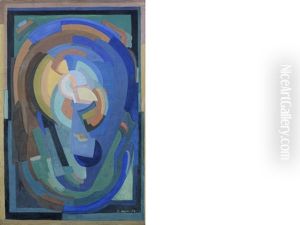
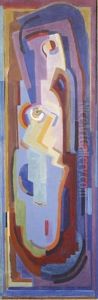
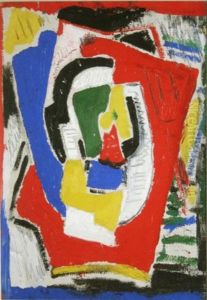
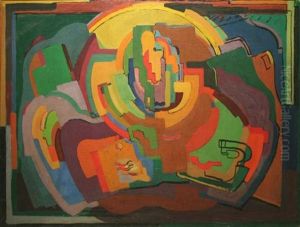
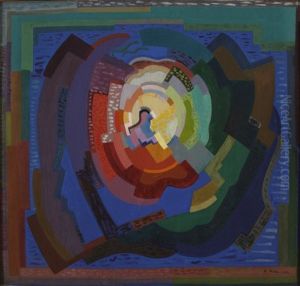
Hone received her initial artistic training at the Byam Shaw School of Art in London and later attended the Westminster School of Art. Her early work was influenced by the Cubist movement, and she spent a period in Paris, where she was exposed to the works of prominent artists such as André Lhote and Albert Gleizes, which significantly shaped her artistic style.
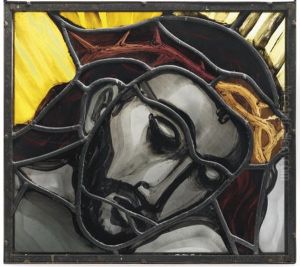
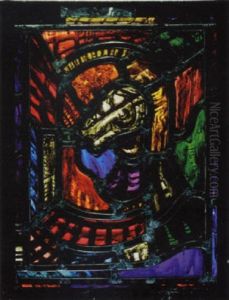
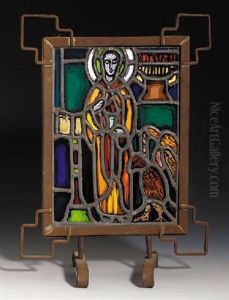
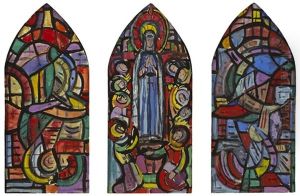
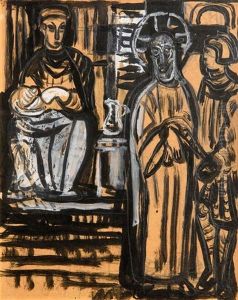
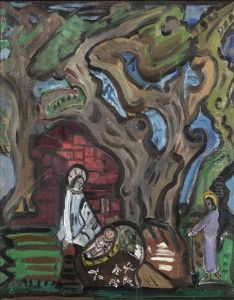
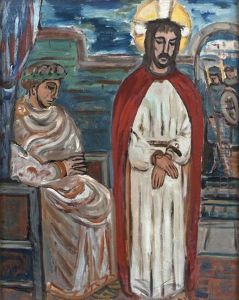
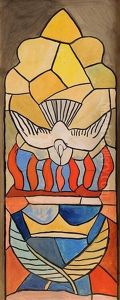
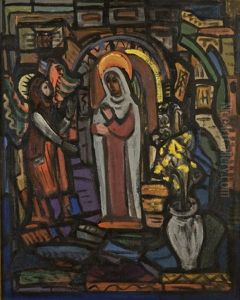
Around the 1930s, Hone's focus shifted from painting to stained glass, and she became one of Ireland's most respected stained glass artists. Her deeply religious nature influenced her subject matter, leading to the creation of works for churches and religious institutions. One of her most famous works is the series of windows she created for the Eton College Chapel.
Hone was a co-founder of the Irish Exhibition of Living Art in 1943, an important platform for contemporary Irish artists to showcase their work. Her artistic legacy is also tied to her role as a mentor to other artists during her lifetime.
Evie Hone's contribution to Irish art was recognized when she became one of the first women to be elected as a full member of the Royal Hibernian Academy. She continued to work until her death on March 13, 1955. Her works remain a testament to her unique vision and the fusion of modernist sensibilities with traditional religious themes.



Copyright 2010 - 2026 by PlentyOfPaintings.com All rights reserved. - Your Paintings of Choice


