Fernand Toussaint Paintings
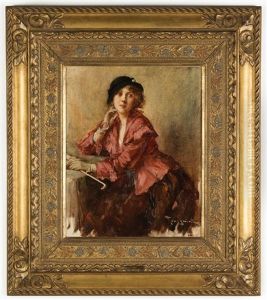
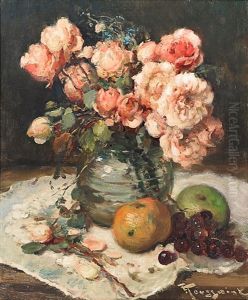
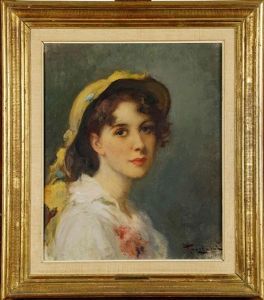
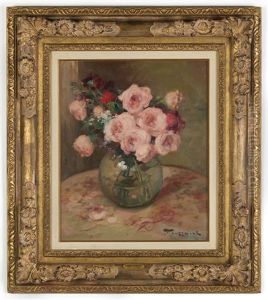
Fernand Toussaint was a Belgian painter born on November 4, 1873, in Brussels. He was known for his portraits, still lifes, and scenes of elegant social life. Toussaint displayed a remarkable talent for art at a young age, which led him to study at the Academy of Fine Arts in Brussels under the guidance of celebrated portraitist Jean-François Portaels.
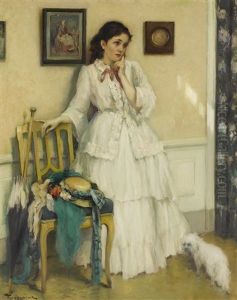
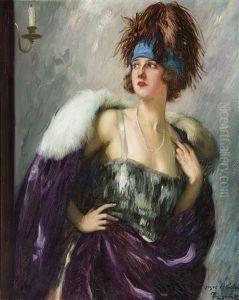
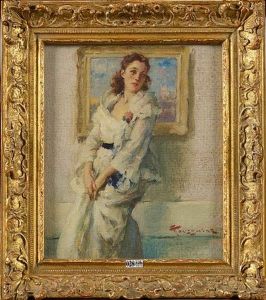
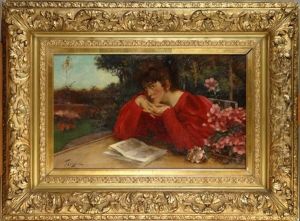
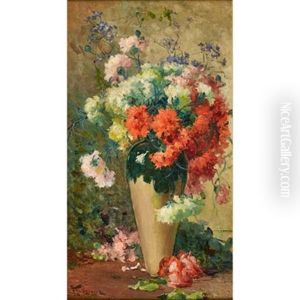
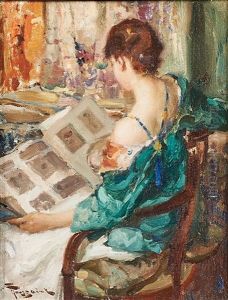
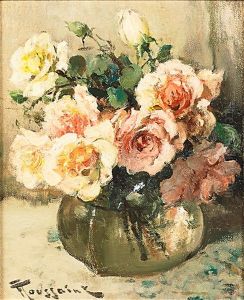
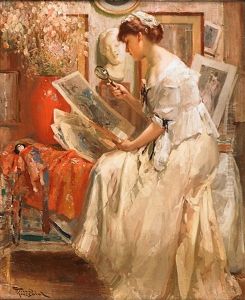
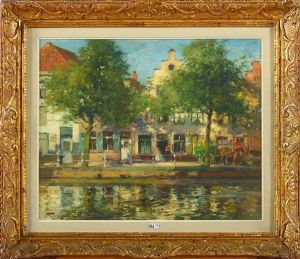
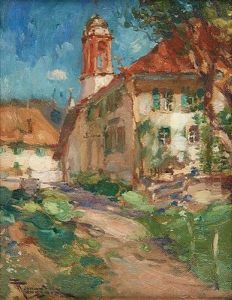
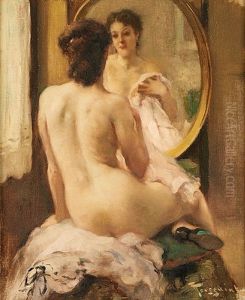
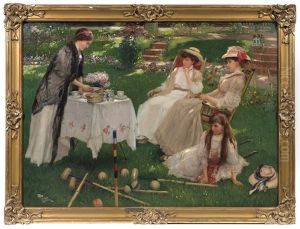
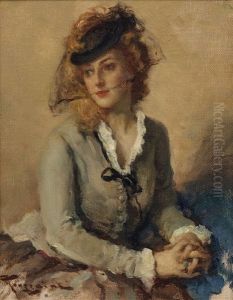
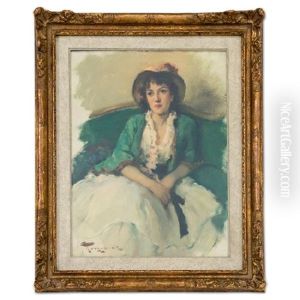
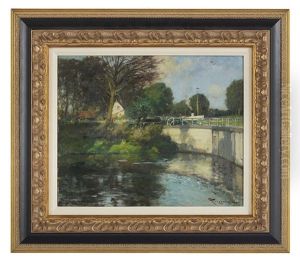
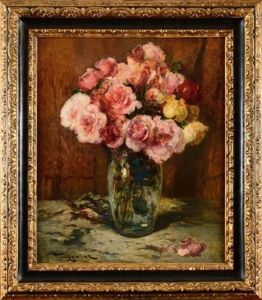
Toussaint's style was influenced by the French Impressionists, and he was particularly noted for his ability to capture the effects of light and atmosphere. His works often featured fashionable women of his time, set against the backdrop of luxurious interiors or lush gardens, reflecting the Belle Époque's fascination with beauty and elegance.
Throughout his career, Fernand Toussaint enjoyed considerable success. He exhibited widely, both in Belgium and abroad, including at the prestigious Salon in Paris. His clientele included the bourgeoisie and aristocracy, who appreciated his refined aesthetic and the flattering way he depicted his subjects.
Despite the changing artistic trends of the early 20th century, Toussaint remained committed to his style, continuing to produce works that resonated with his audience. He was also a skilled lithographer, and his prints contributed to his popularity.
Toussaint's work has been compared to that of his contemporaries such as Alfred Stevens and Giovanni Boldini, artists who similarly celebrated the beauty and opulence of their era. Despite being less known today, his paintings are considered important for their representation of the Belle Époque period in European art.
Fernand Toussaint passed away on May 24, 1955, in Brussels. Although he may not be as widely recognized as some of his peers, his contribution to the art of his time remains significant, and his paintings continue to be sought after by collectors who appreciate the charm and elegance of his era.
Copyright 2010 - 2026 by PlentyOfPaintings.com All rights reserved. - Your Paintings of Choice


