Huang Binhong Paintings
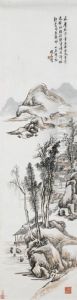
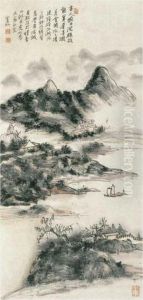
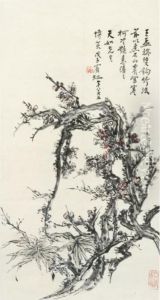
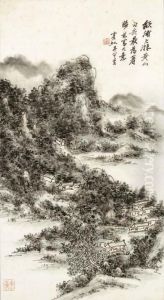
Huang Binhong was a Chinese painter, art educator, and art theorist who made significant contributions to the development of modern Chinese painting. Born on November 27, 1865, in Jinhua, Zhejiang Province, Huang belonged to a scholarly family with a tradition in painting and literature. He was initially taught by his grandfather, who was a painter and a connoisseur of the arts. Later in life, Huang traveled extensively throughout China, studying landscape paintings of various regions, which greatly influenced his artistic style.
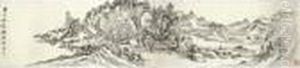
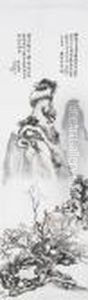
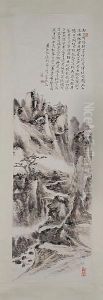
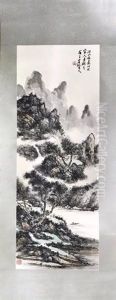
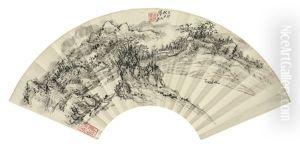
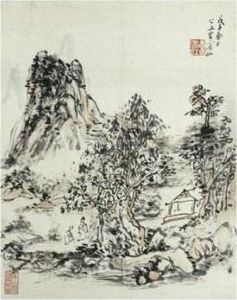
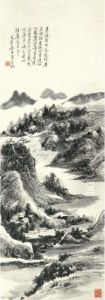
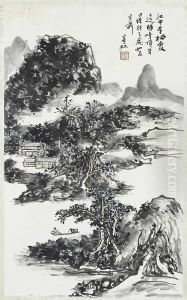
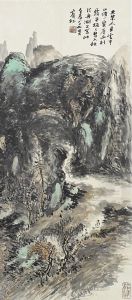
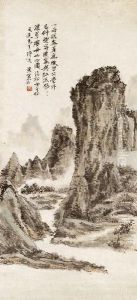
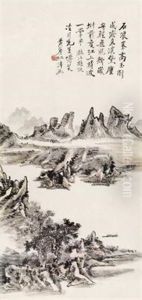
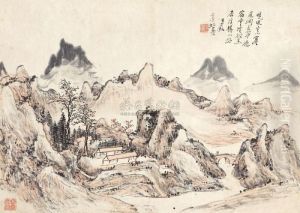
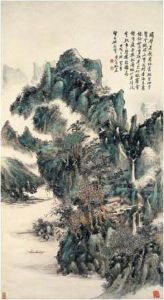
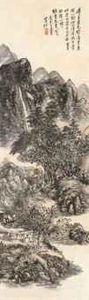
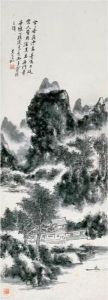
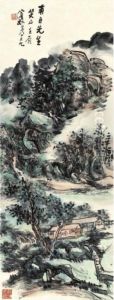
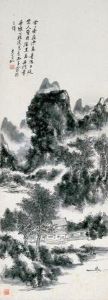
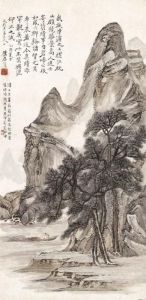
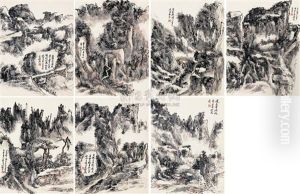
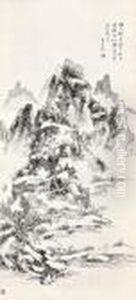
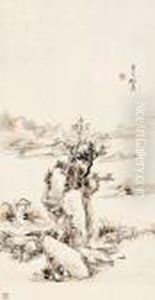
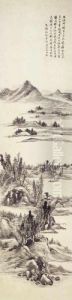
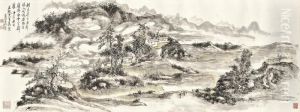
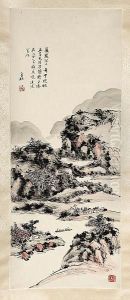
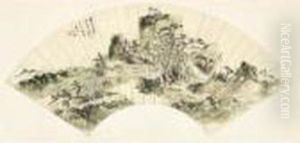
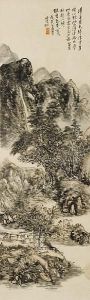
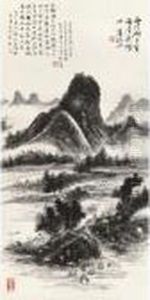
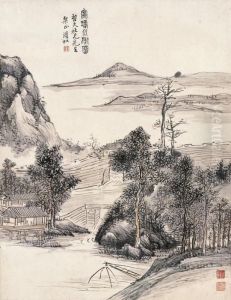
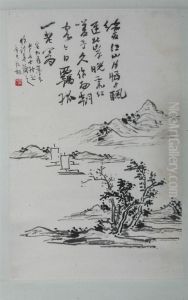
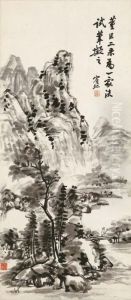
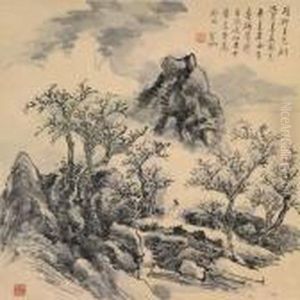
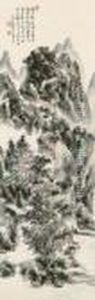
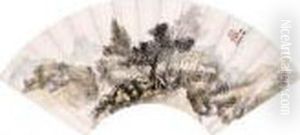
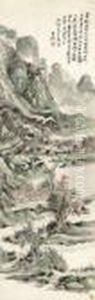
In his early years, Huang focused on traditional Chinese ink painting, particularly landscapes, and was deeply influenced by the works of earlier masters such as Dong Yuan, Juran, and Huang Gongwang. He meticulously studied and replicated their works to understand the nuances of brushwork and ink play. However, as he matured as an artist, Huang Binhong began to develop his own distinctive style that reflected both traditional techniques and his innovative approach to ink painting.
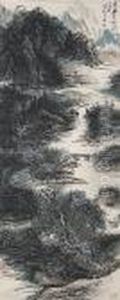
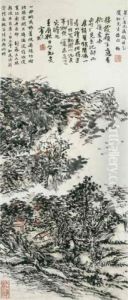
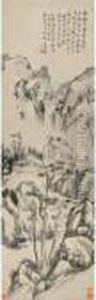
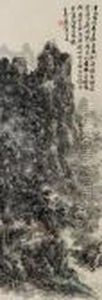
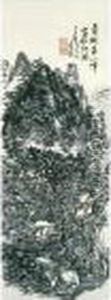
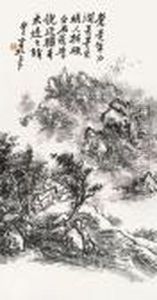
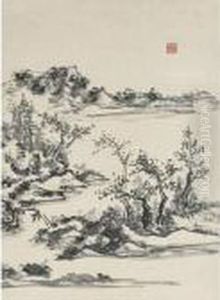
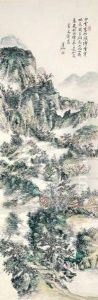
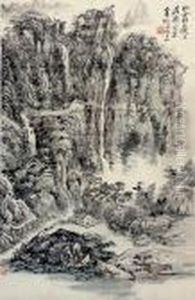
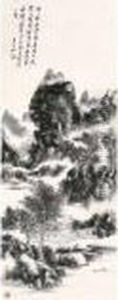
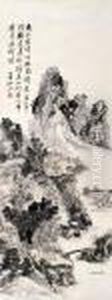
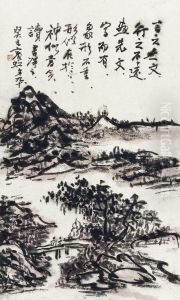
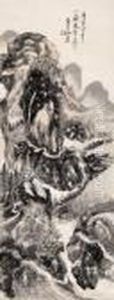
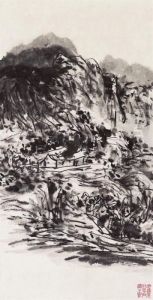
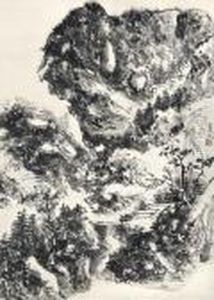
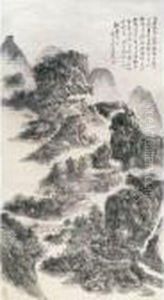
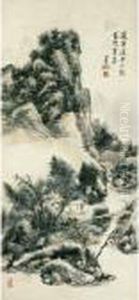
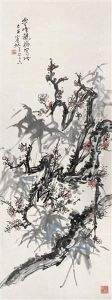
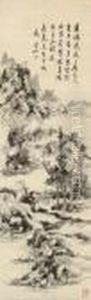
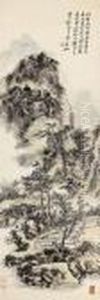
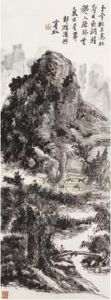
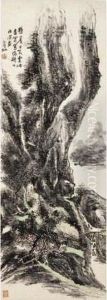
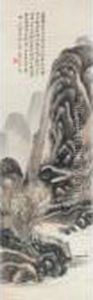
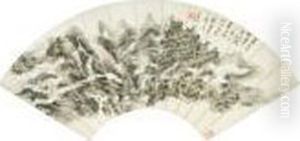
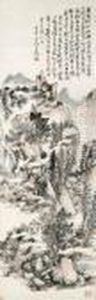
Throughout his career, Huang Binhong emphasized the importance of capturing the 'spirit' of the landscape rather than just its physical appearance. He experimented with bold strokes and heavy ink, creating dynamic and expressive compositions that conveyed the vitality and essence of nature. Huang's later works are particularly notable for their abstract qualities, with dense layers of ink and wash that create a sense of depth and texture.
Besides his artistic pursuits, Huang Binhong was also an influential art educator. He taught at several institutions, including the National Hangzhou Normal College, where he influenced many young artists. His theoretical work on Chinese painting also contributed to the discourse on modern Chinese art, and he published several essays and books on the subject.
Huang Binhong's impact on Chinese art was profound, and his works are considered to be among the most important in the canon of 20th-century Chinese painting. He continued to paint and contribute to the art world until his death on March 13, 1955. His legacy lives on through his paintings and his influence on subsequent generations of Chinese artists.

Copyright 2010 - 2026 by PlentyOfPaintings.com All rights reserved. - Your Paintings of Choice


