John Alfred Arnesby Brown Paintings
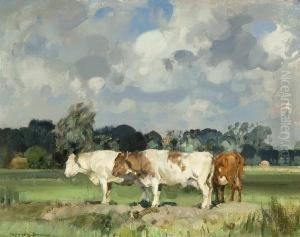
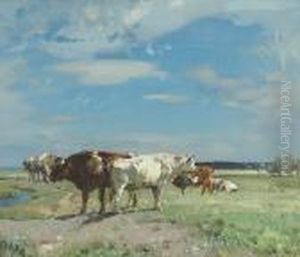
John Alfred Arnesby Brown was an English artist known for his pastoral landscapes and scenes of cattle. He was born on March 29, 1866, in Nottingham, England. Arnesby Brown showed a strong inclination towards art from an early age and pursued his passion by studying at the Nottingham School of Art.
After his initial education in Nottingham, he continued his studies at the Académie Julian in Paris, where he was influenced by the plein air painting style, which involves painting outdoors to capture the natural light and atmosphere of the landscape. This experience had a lasting impact on his artistic approach.
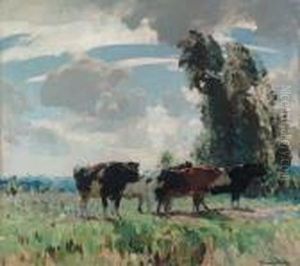
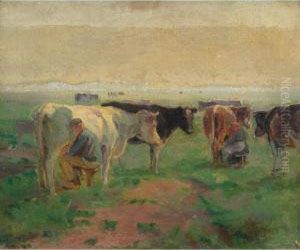
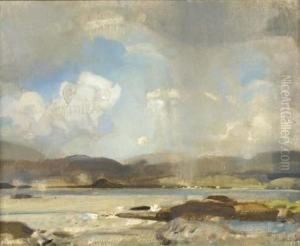
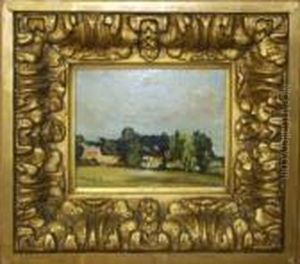
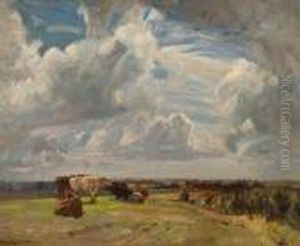
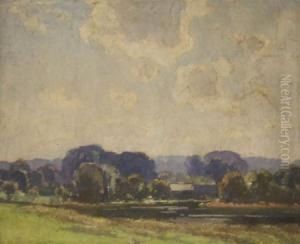
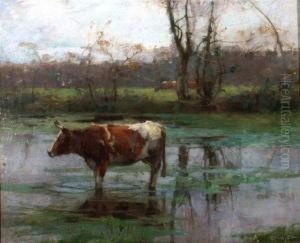
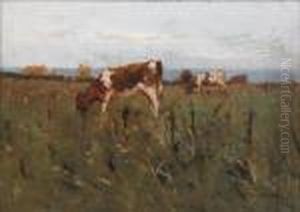
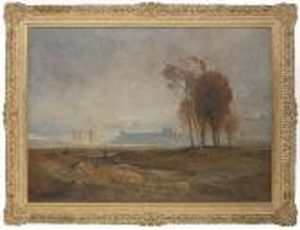
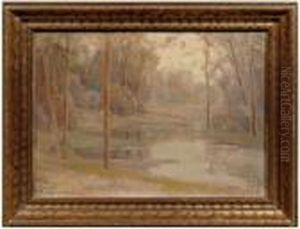
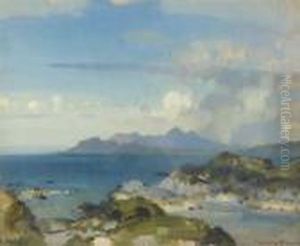
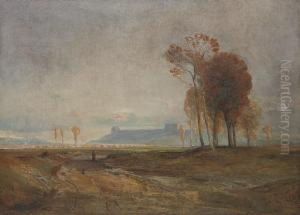
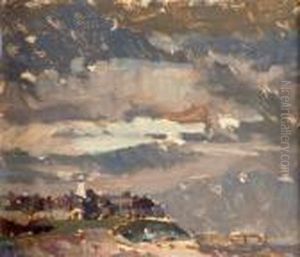
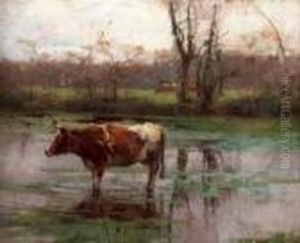
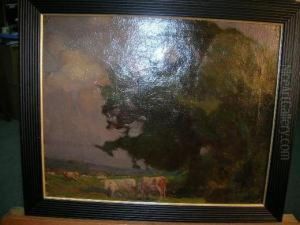
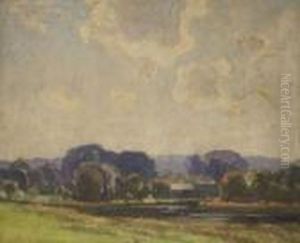
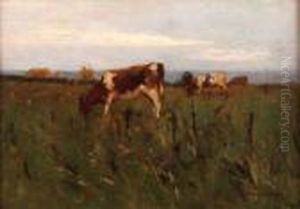
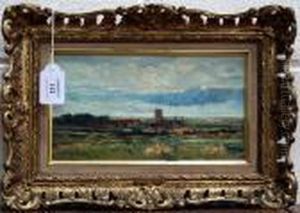
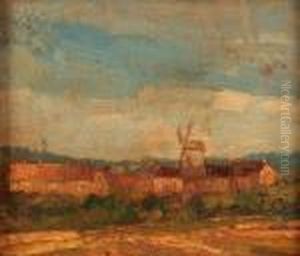
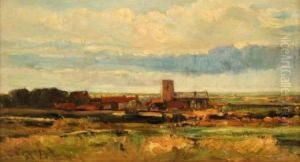
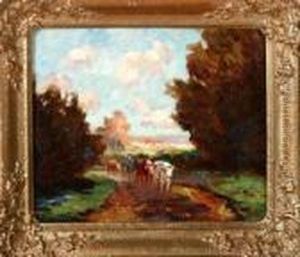
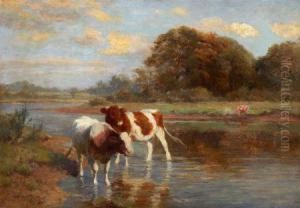
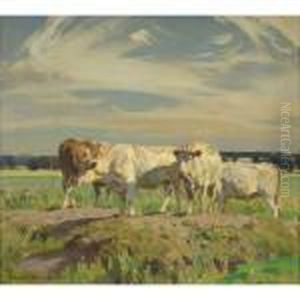
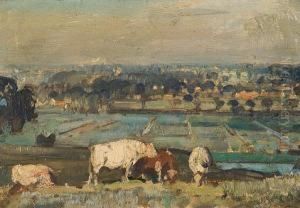
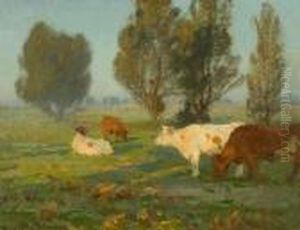
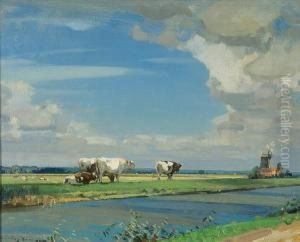
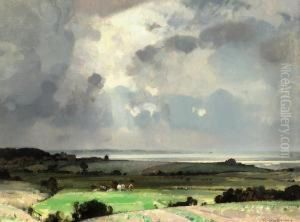
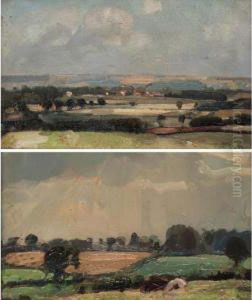
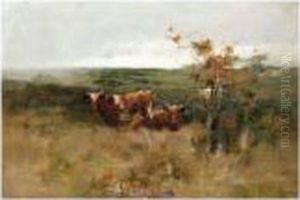
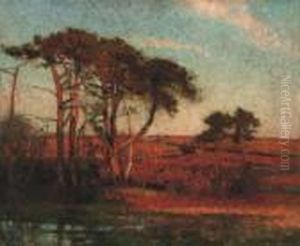
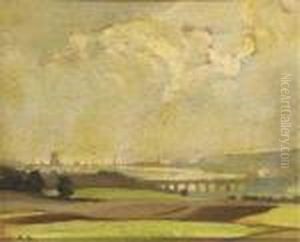
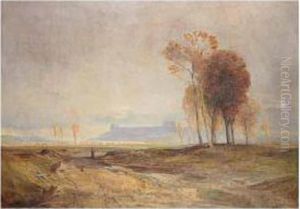
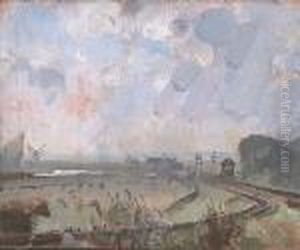
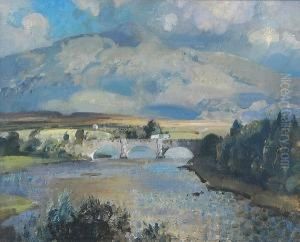
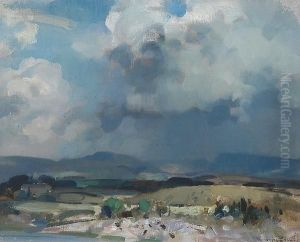
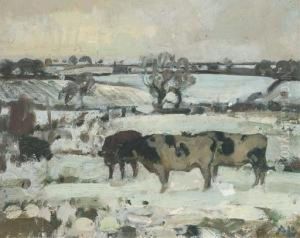
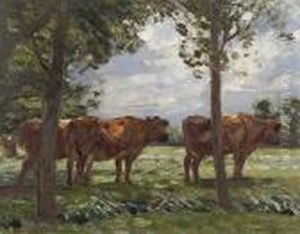
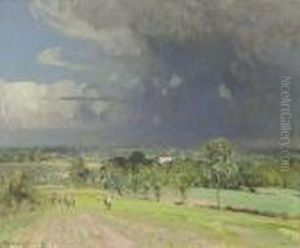
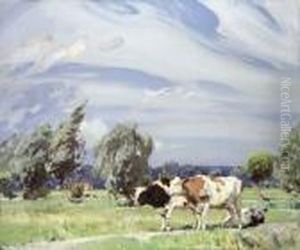
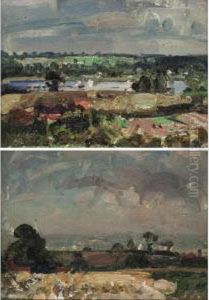
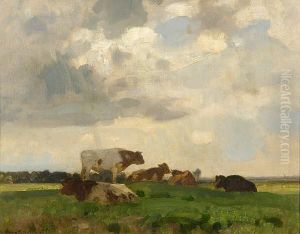
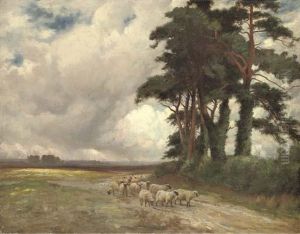
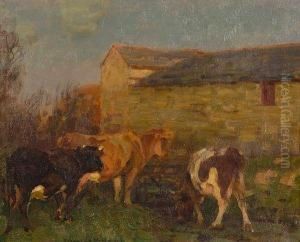
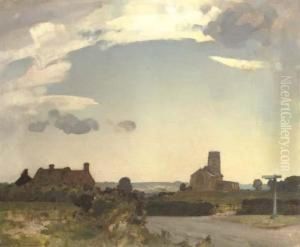
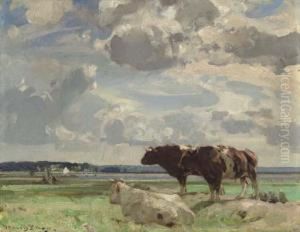
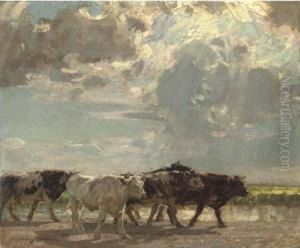
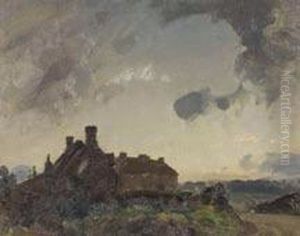
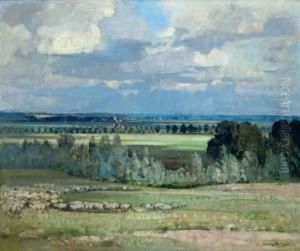
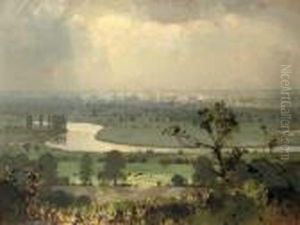
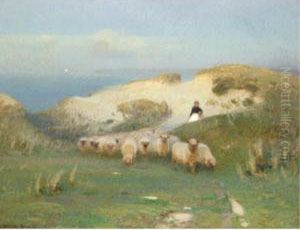
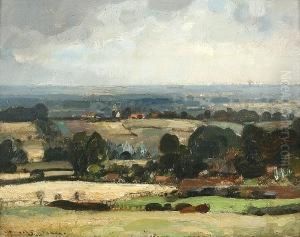
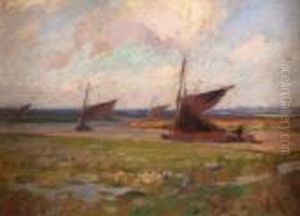
Arnesby Brown's work gained recognition for its realistic portrayal of rural life and the English countryside. His paintings often featured serene vistas, grazing cattle, and soft, diffused light, which became his signature style. He was particularly adept at capturing the varying effects of light on the landscape throughout the seasons.
Throughout his career, Arnesby Brown exhibited his work extensively, including at the Royal Academy, where he became a member in 1929. His works were also shown in other prestigious venues, such as the Paris Salon, where he received an honorable mention in 1900. He became one of the most celebrated landscape painters of his time in the United Kingdom.
Arnesby Brown's art was not purely aesthetic; it also reflected a deep appreciation for the English countryside at a time when industrialization was rapidly changing the landscape. His paintings served as a reminder of the bucolic beauty and agricultural roots of the nation.
John Alfred Arnesby Brown continued to paint until his later years, and his work remained popular with collectors and the public. He passed away on November 16, 1955, leaving behind a rich legacy of landscape paintings that continue to be admired for their tranquility and naturalistic beauty. His contributions to British art have been recognized through the continued appreciation and study of his work.
Copyright 2010 - 2026 by PlentyOfPaintings.com All rights reserved. - Your Paintings of Choice


