Maria Izquierdo Paintings
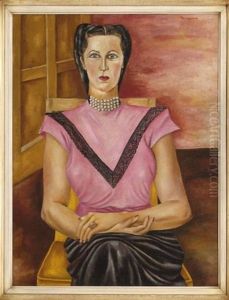
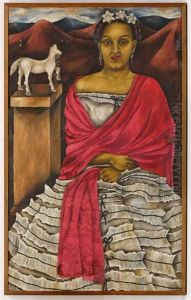
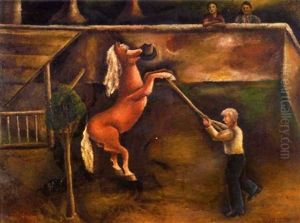
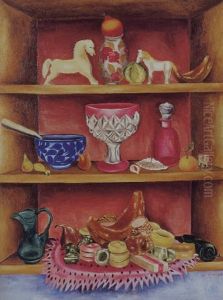
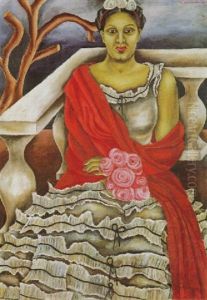
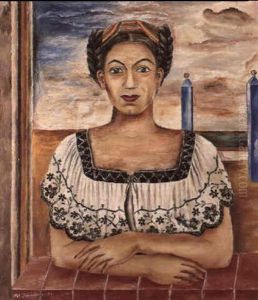
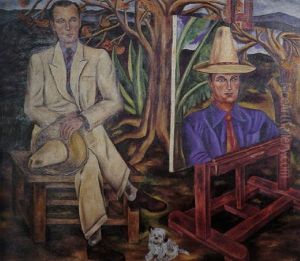
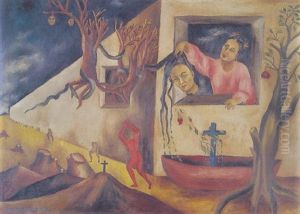
Maria Izquierdo was a notable Mexican painter, born on October 30, 1902, in San Juan de los Lagos, Jalisco, Mexico. She is recognized as the first Mexican woman to have her artwork exhibited in the United States, and she played a pivotal role in Mexico's post-revolution renaissance that celebrated national identity and indigenous traditions.
Izquierdo's early life was marked by personal challenges; she became an orphan at a young age and later, as a teenager, married and had three children. Despite these early responsibilities, her passion for art led her to move to Mexico City, where she enrolled at the Escuela Nacional de Bellas Artes (Academy of Fine Arts) in 1923. There, she studied under the tutelage of German artist Robert Montenegro and befriended other prominent Mexican artists, including Diego Rivera, Frida Kahlo, and Rufino Tamayo.
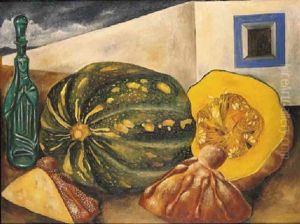
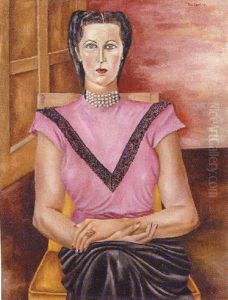
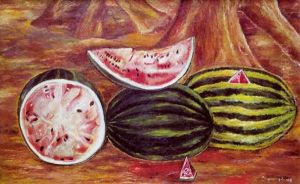
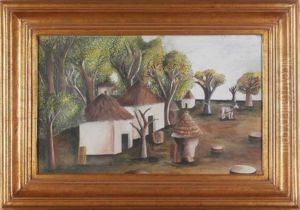
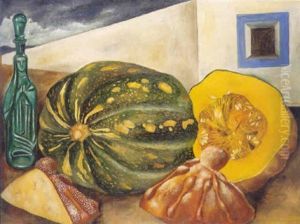
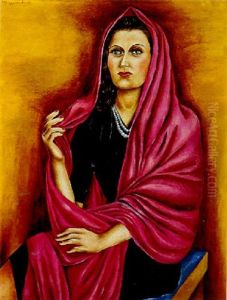
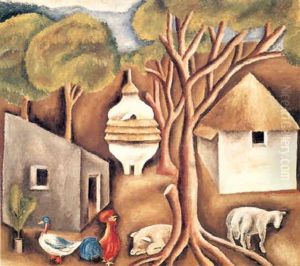
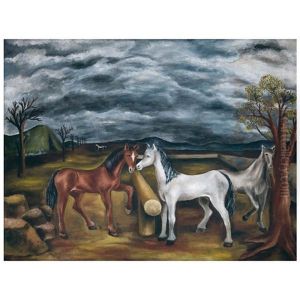
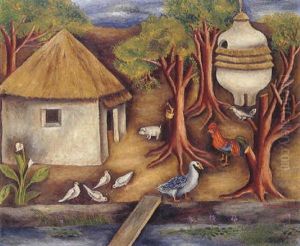
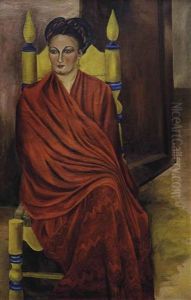
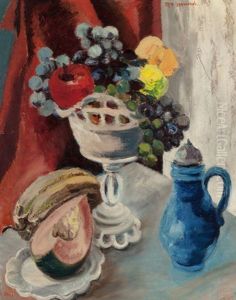
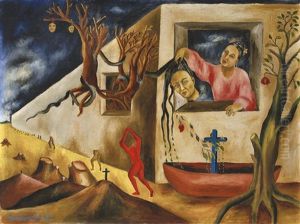
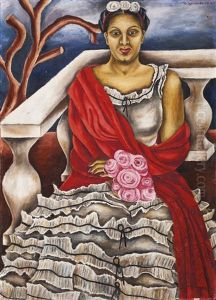
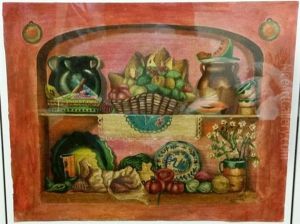
Her work was characterized by a personal style that incorporated elements of Mexican folk art, surrealism, and symbolism. She often depicted traditional Mexican subjects such as still lifes, landscapes, and scenes of everyday life, imbuing them with a dreamlike quality. Izquierdo's paintings also frequently featured women, reflecting her interest in portraying the female experience and challenging the traditional roles assigned to women in Mexican society.
Throughout the 1930s and 1940s, Izquierdo's reputation grew both in Mexico and internationally. Her work was exhibited in major cities such as Paris, New York, and Chicago, and she received commissions from various patrons, including the Mexican government. However, her career faced obstacles, including a tumultuous personal life and health issues that affected her ability to paint.
In addition to her painting, Izquierdo was also involved in theater set and costume design and wrote articles for several Mexican periodicals, expressing her views on art and culture. She advocated for the recognition of women artists and the preservation of Mexican cultural heritage in the face of increasing modernization.
Maria Izquierdo's contributions to Mexican art were significant, and her paintings remain an important part of Mexico's artistic legacy. She continued to work until her death on December 2, 1955, in Mexico City. Her life and art continue to inspire subsequent generations of artists, particularly women, who see in her a pioneer who broke barriers and forged a path for greater artistic expression and recognition.
Copyright 2010 - 2026 by PlentyOfPaintings.com All rights reserved. - Your Paintings of Choice


