Nicolai Ivanovich Fechin Paintings
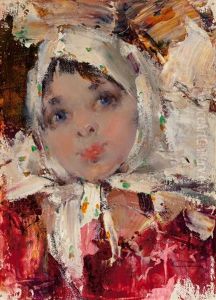
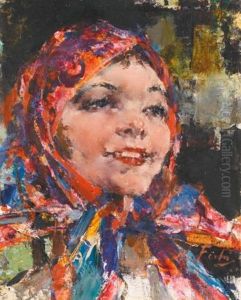
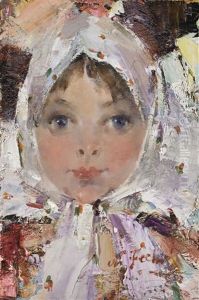
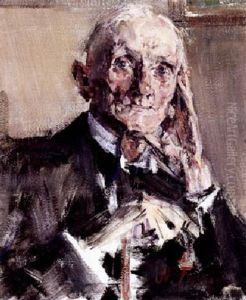
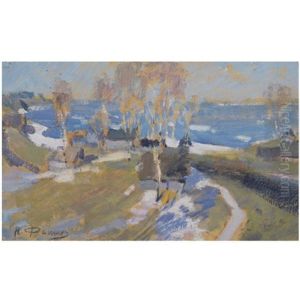
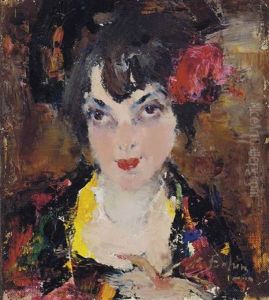
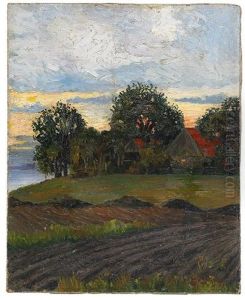
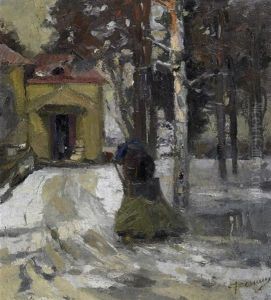
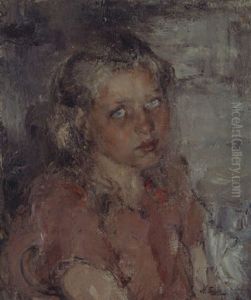
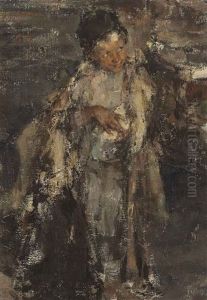
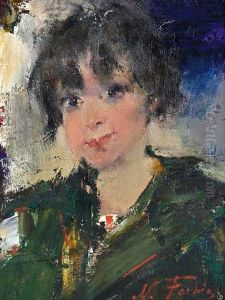
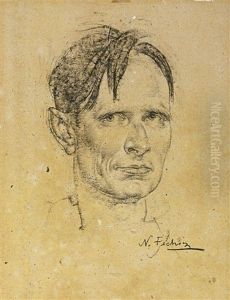
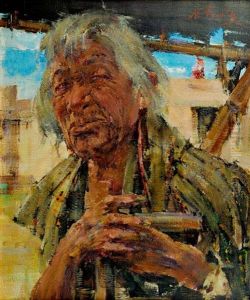
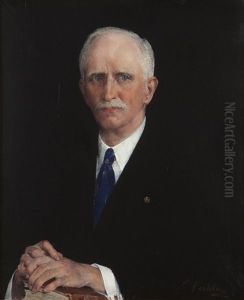
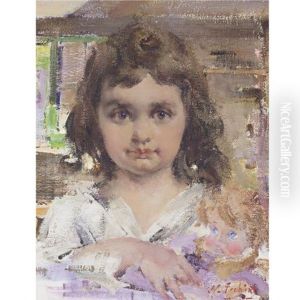
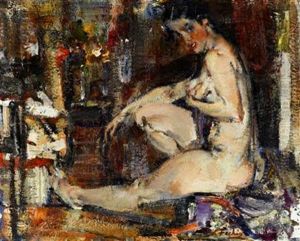
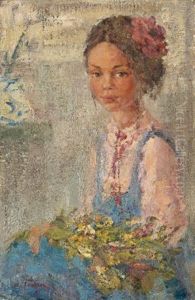
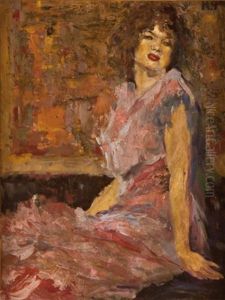
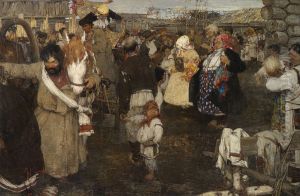
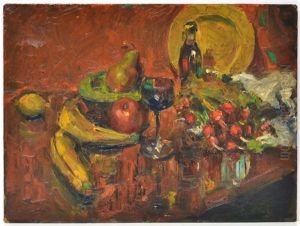
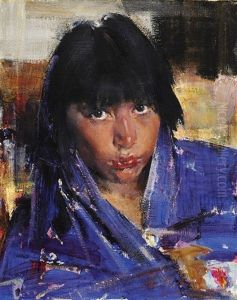
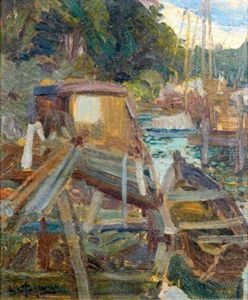
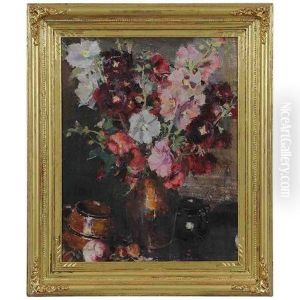
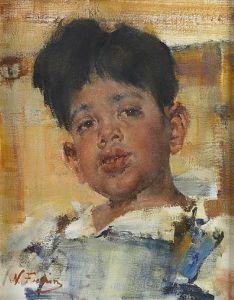
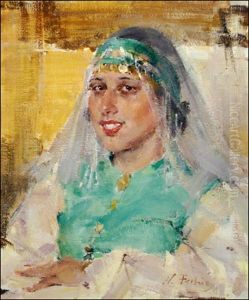
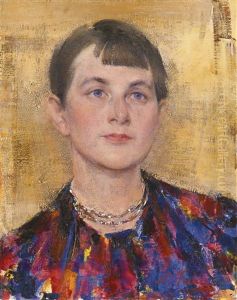
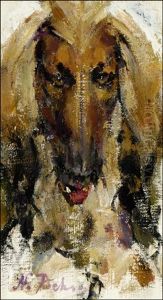
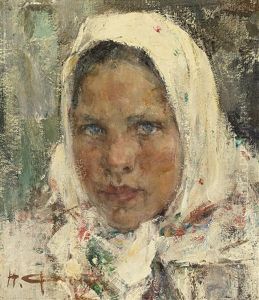
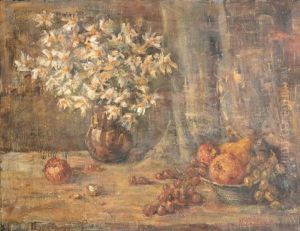
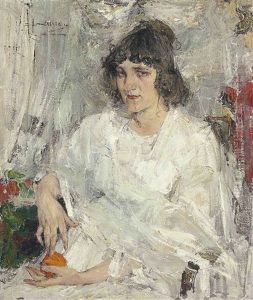
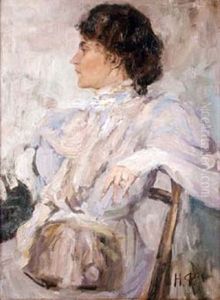
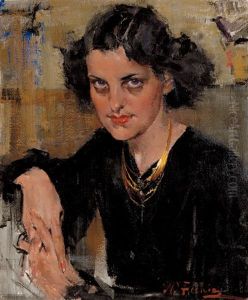
Nicolai Ivanovich Fechin, born on November 26, 1881, in Kazan, Russia, was an artist known for his portraits and works featuring Native Americans. His father, who was a woodcarver and gilder, introduced him to the arts, and Fechin rapidly developed a talent for drawing. He attended the Kazan Art School at a young age and later the Imperial Academy of Arts in St. Petersburg, where he was a pupil of Ilya Repin, one of the most renowned Russian artists of the time. Fechin perfected his skills in painting and drawing, winning the prestigious Prix de Rome, which allowed him to travel to and study in Europe.
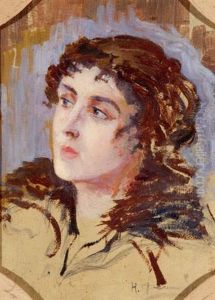
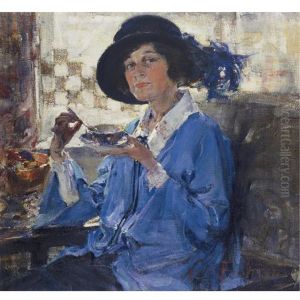
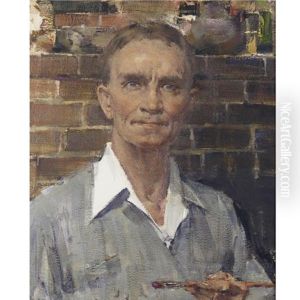
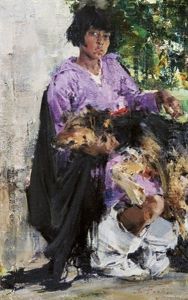
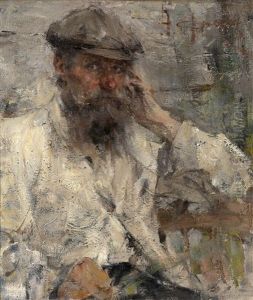
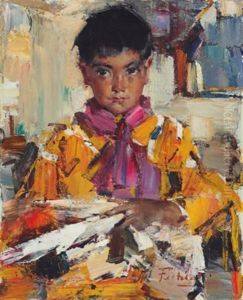
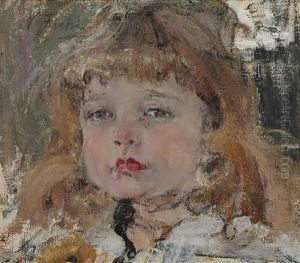
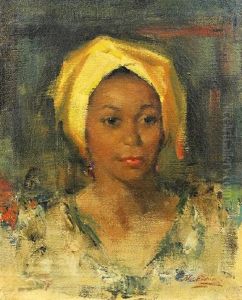
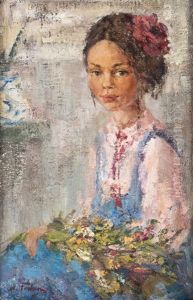
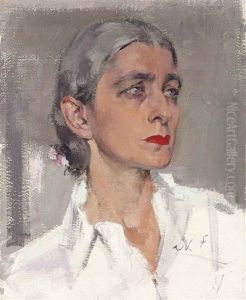
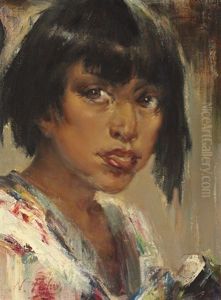
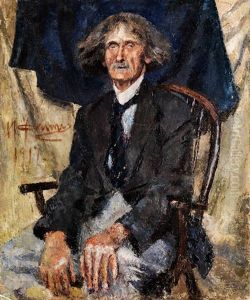
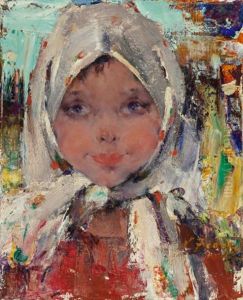
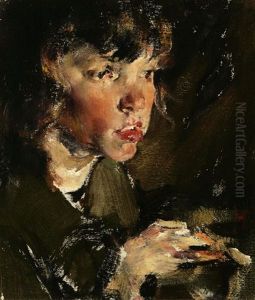
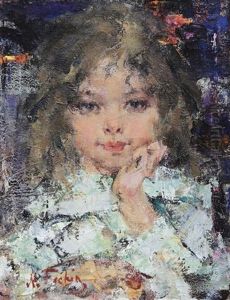
In 1923, Fechin emigrated to the United States with his family after the Russian Revolution. They settled in New York City, where he taught at the New York Academy of Art. Fechin's work was well received in the United States, and he quickly became known for his dynamic brushwork and ability to capture the essence of his sitters. His portraits often combined a modernist sensibility with elements of Russian and Asian art, reflecting his diverse influences.
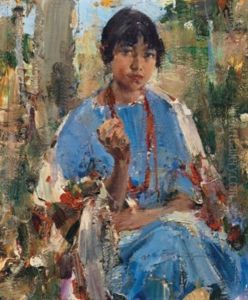
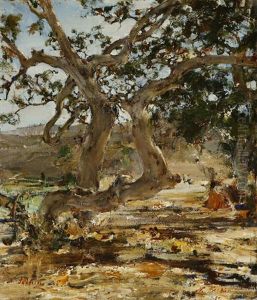
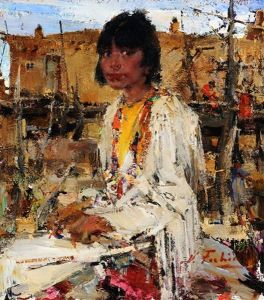
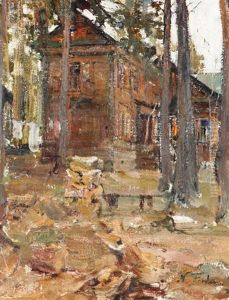
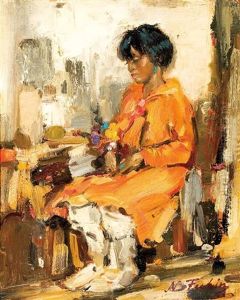
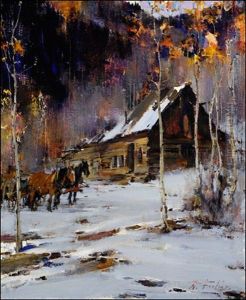
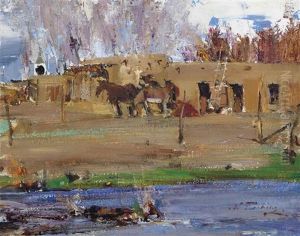
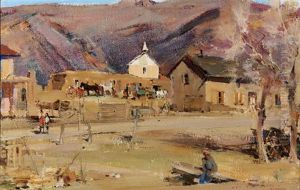
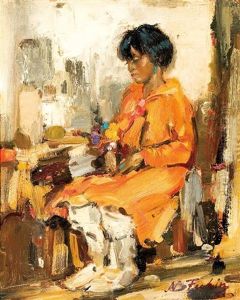
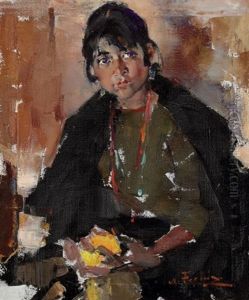
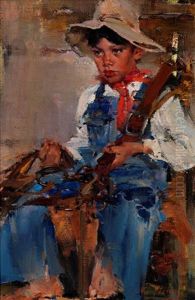
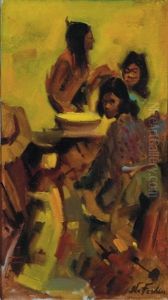
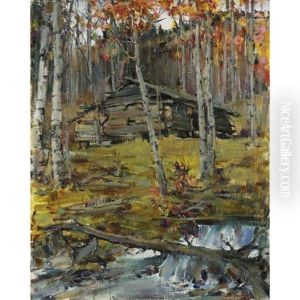
Later, Fechin moved to Taos, New Mexico, attracted by the vibrant artist colony and the opportunity to paint the local Native American culture. His work from this period is characterized by a strong use of color and a fascination with the textures and patterns of the Southwestern landscape. Fechin's health issues prompted him to seek a milder climate, and in 1927, he and his family moved to Southern California. Eventually, they settled in Santa Monica.
Fechin continued to paint and exhibit his work until his health declined. He passed away on October 5, 1955, in Santa Monica, California. Today, Fechin is remembered as a master portraitist and an artist who bridged multiple cultures through his art. His works are held in numerous collections and museums across the world, including the Smithsonian American Art Museum and the Tretyakov Gallery in Moscow.
Copyright 2010 - 2026 by PlentyOfPaintings.com All rights reserved. - Your Paintings of Choice


