Ozias Leduc Paintings
Ozias Leduc was a Canadian painter, born on October 8, 1864, in Saint-Hilaire, Quebec. He is often referred to as one of the fathers of Canadian art, particularly within Quebec. Leduc's work was deeply influenced by his rural upbringing and the beauty of the Quebec landscape, as well as by his Catholic faith and classical European art traditions.
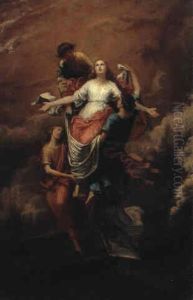
In his early twenties, Leduc moved to Montreal, where he began his career as a decorator and painter. He worked on a number of churches, creating religious murals and altarpieces. His ecclesiastical commissions allowed him to refine his techniques and to develop his own artistic style. Despite being primarily self-taught, Leduc traveled to Europe in the 1890s, where he studied the work of the Old Masters, which had a lasting impact on his approach to painting.
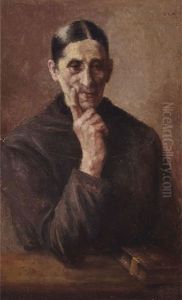
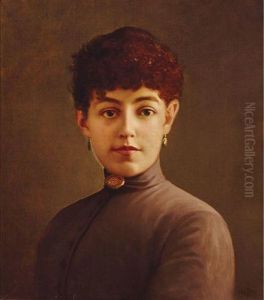
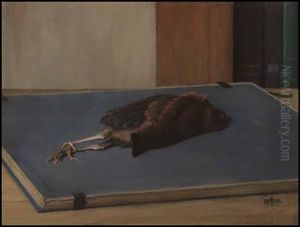
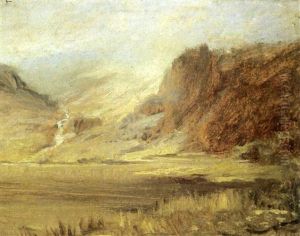
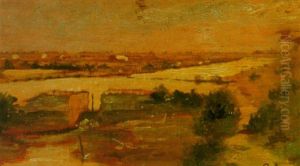
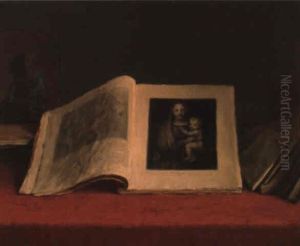
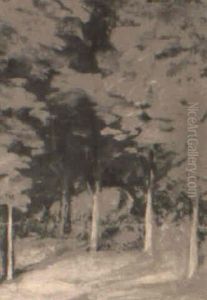
Leduc was not only a religious painter; he also created numerous portraits, still lifes, and landscapes. His secular works are characterized by a sense of calm and a deep reverence for nature and everyday life. He was a meticulous craftsman with a poetic sensibility, often imbuing his works with symbolism and a sense of the spiritual within the ordinary.
Throughout his life, Leduc was active in promoting the arts in Canada and mentoring younger artists, including the famed Group of Seven member Edwin Holgate. Leduc's approach to art was thoughtful and deliberate, and he often spoke out against the commercialization of art and the loss of spiritual values in modern society.
Ozias Leduc passed away on June 16, 1955, in his hometown of Saint-Hilaire. He left behind a legacy that has had a lasting impact on Canadian art, marked by a unique blend of the spiritual and the secular, the traditional and the modern. His work continues to be celebrated for its depth, beauty, and quiet contemplation.

Copyright 2010 - 2026 by PlentyOfPaintings.com All rights reserved. - Your Paintings of Choice


