Sotaro Yasui Paintings
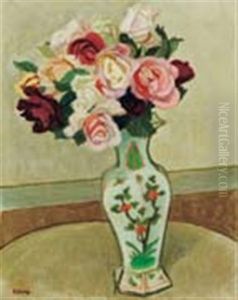
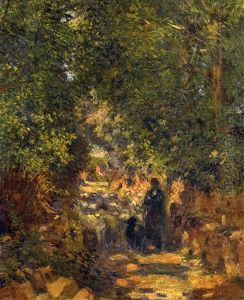
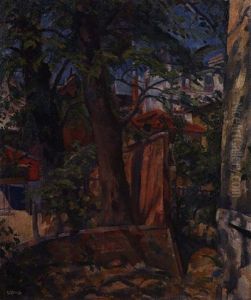
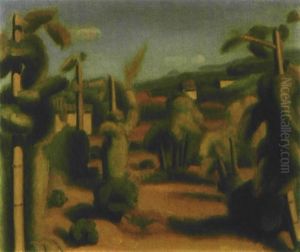
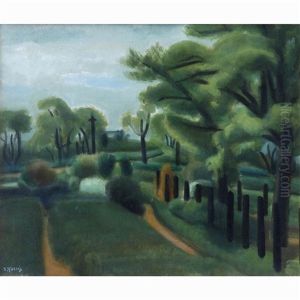
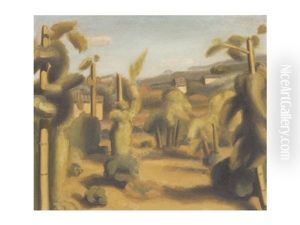
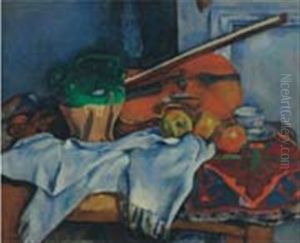
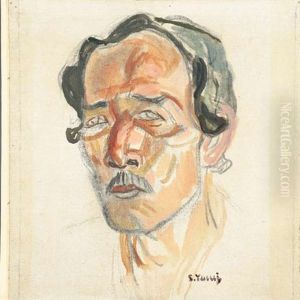
Sotaro Yasui was a prominent Japanese painter, known for his role in bringing Western painting techniques to Japan and integrating them with traditional Japanese styles. Born on March 6, 1888, in Kyoto, Yasui was initially trained in the traditional Kano school of painting. However, his artistic journey took a significant turn when he moved to Tokyo in 1907 and was exposed to Western-style painting.
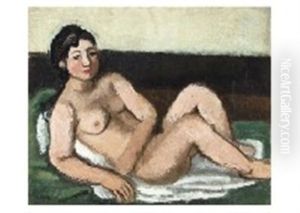
Yasui's desire to learn more about Western art led him to travel to France in 1910, where he immersed himself in the study of Western painting, particularly the work of the Impressionists and Post-Impressionists. He lived and worked in Paris for about a decade, a period that was crucial in shaping his style and technique. During this time, he was influenced by the works of Cézanne and Matisse, among others.
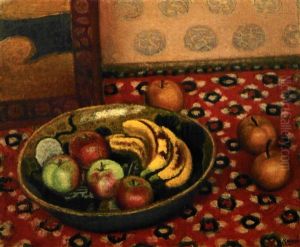
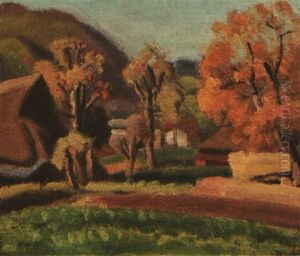
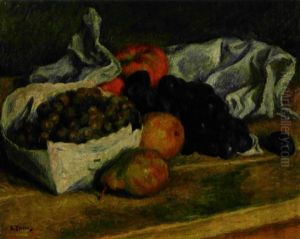
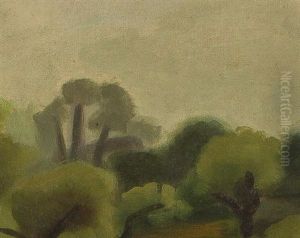
After returning to Japan in 1923, Yasui began to blend Western techniques with traditional Japanese painting methods. His work from this period showcases a unique fusion of styles and demonstrates his mastery of color and form. He became a prominent figure in the art world and was involved in the founding of the Issuikai group, which sought to innovate Japanese painting traditions with Western practices.
Throughout his career, Yasui received numerous accolades for his contributions to the art world, including the prestigious Order of Culture from the Japanese government in 1953. He continued to paint and exhibit his work until his death on December 11, 1955.
Yasui's legacy lives on in his contributions to the development of modern Japanese art. His efforts to harmonize Eastern and Western artistic principles helped pave the way for future generations of artists in Japan, and his works are celebrated for their vibrant colors, bold compositions, and the blending of various artistic influences. Today, his paintings can be found in major art collections both in Japan and around the world.
Copyright 2010 - 2026 by PlentyOfPaintings.com All rights reserved. - Your Paintings of Choice


