Thomas Garland Greene Paintings
Thomas Garland Greene was a notable Canadian painter born in 1875 in Lisle, Ontario. Greene's artistic journey began at a young age, reflecting a profound connection with the Canadian landscape that would become a defining element of his work throughout his career. Greene's education in art took him beyond the borders of Canada, studying at prestigious institutions such as the Académie Julian in Paris, which was a significant art school during the late 19th and early 20th centuries, known for its nurturing of young talent.
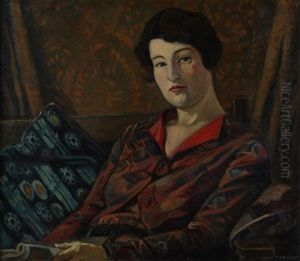
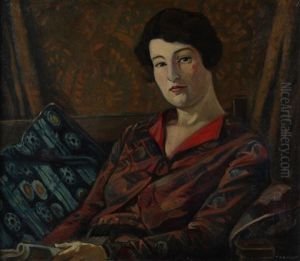
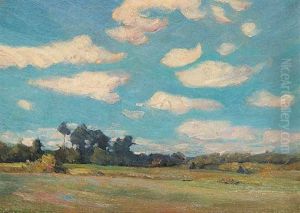
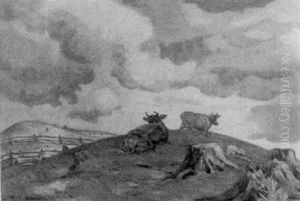
Greene's style evolved over the years, showcasing his mastery in both watercolor and oil mediums. His subjects often included landscapes, city scenes, and rural settings, capturing the essence of the Canadian spirit and environment with a unique blend of realism and impressionism. This duality in his style helped him stand out in the Canadian art scene, making his works highly sought after by both collectors and galleries.
Throughout his career, Greene was an active member of the Canadian art community, contributing to its growth and international recognition. He was a member of several prestigious art organizations, including the Ontario Society of Artists and the Royal Canadian Academy of Arts, where he not only exhibited his works but also took on leadership roles to advocate for the arts in Canada.
Greene's contributions to Canadian art were not limited to his paintings alone. He was committed to nurturing the next generation of artists, sharing his knowledge and passion for art through teaching. His legacy is evident in the continued appreciation of his work and the influence he had on Canadian art history.
Thomas Garland Greene's death in 1955 marked the end of a prolific career that spanned several decades. His works remain a testament to his talent and his deep love for the Canadian landscape, capturing the country's natural beauty and cultural essence in a way that continues to resonate with art lovers around the world.
Copyright 2010 - 2026 by PlentyOfPaintings.com All rights reserved. - Your Paintings of Choice


